
DO YOU?
Produced three distinct publications using a selected piece of the 1971 interview transcript between Muhammad Ali and Michael Parkinson. Each publication explores different themes such as the civil rights movement, boxing, and Ali’s journey with Parkinson’s disease.
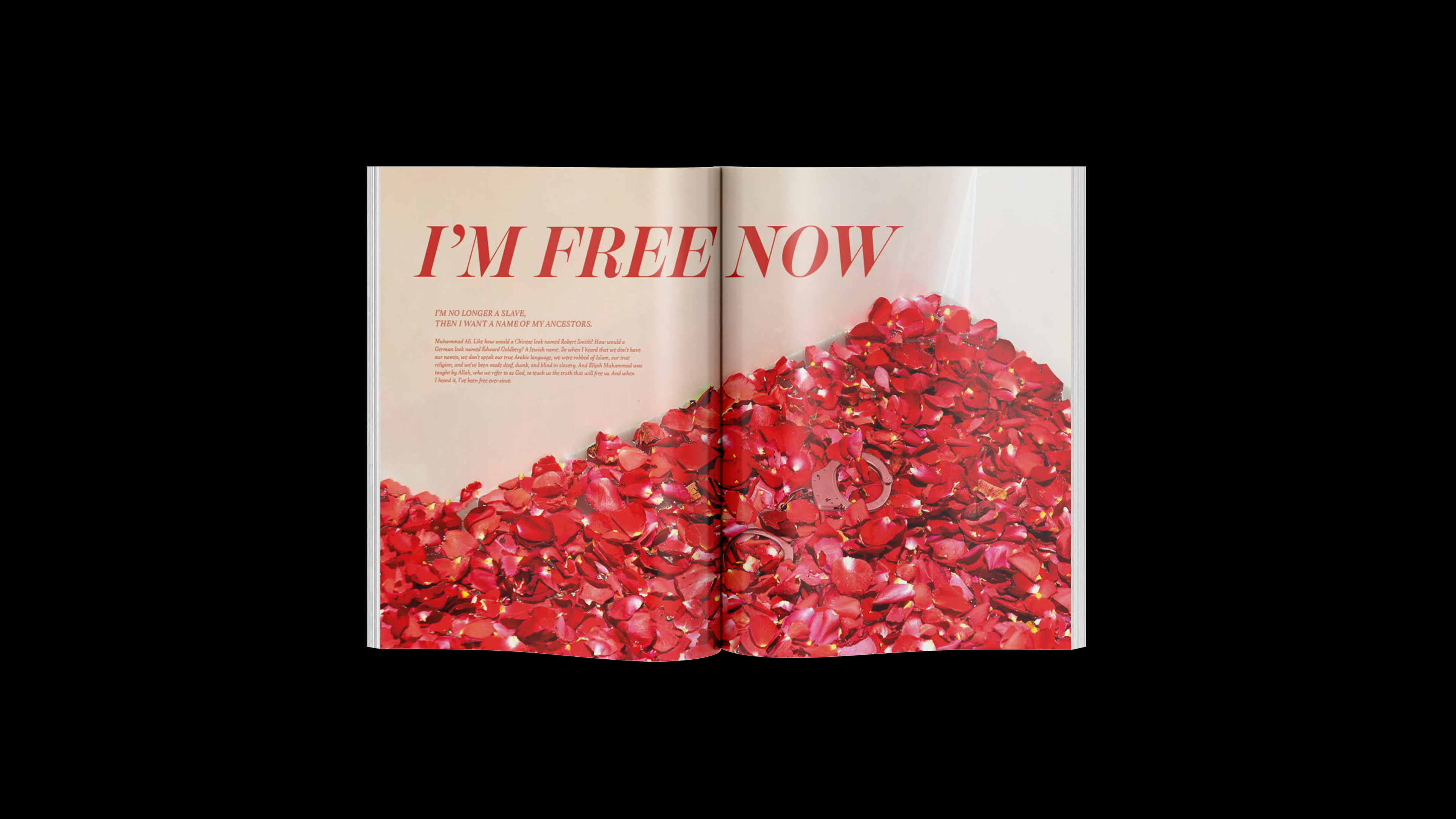
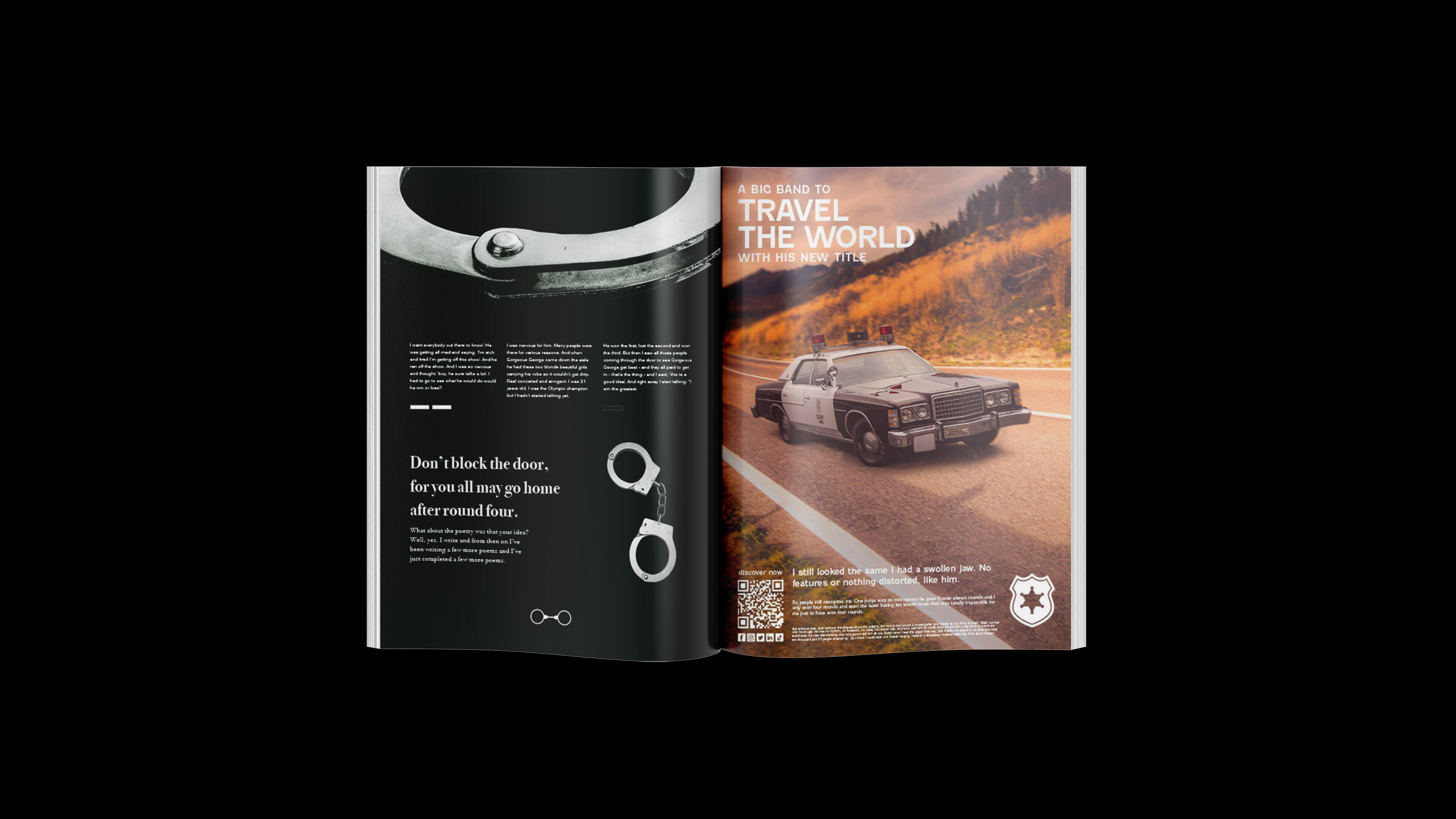
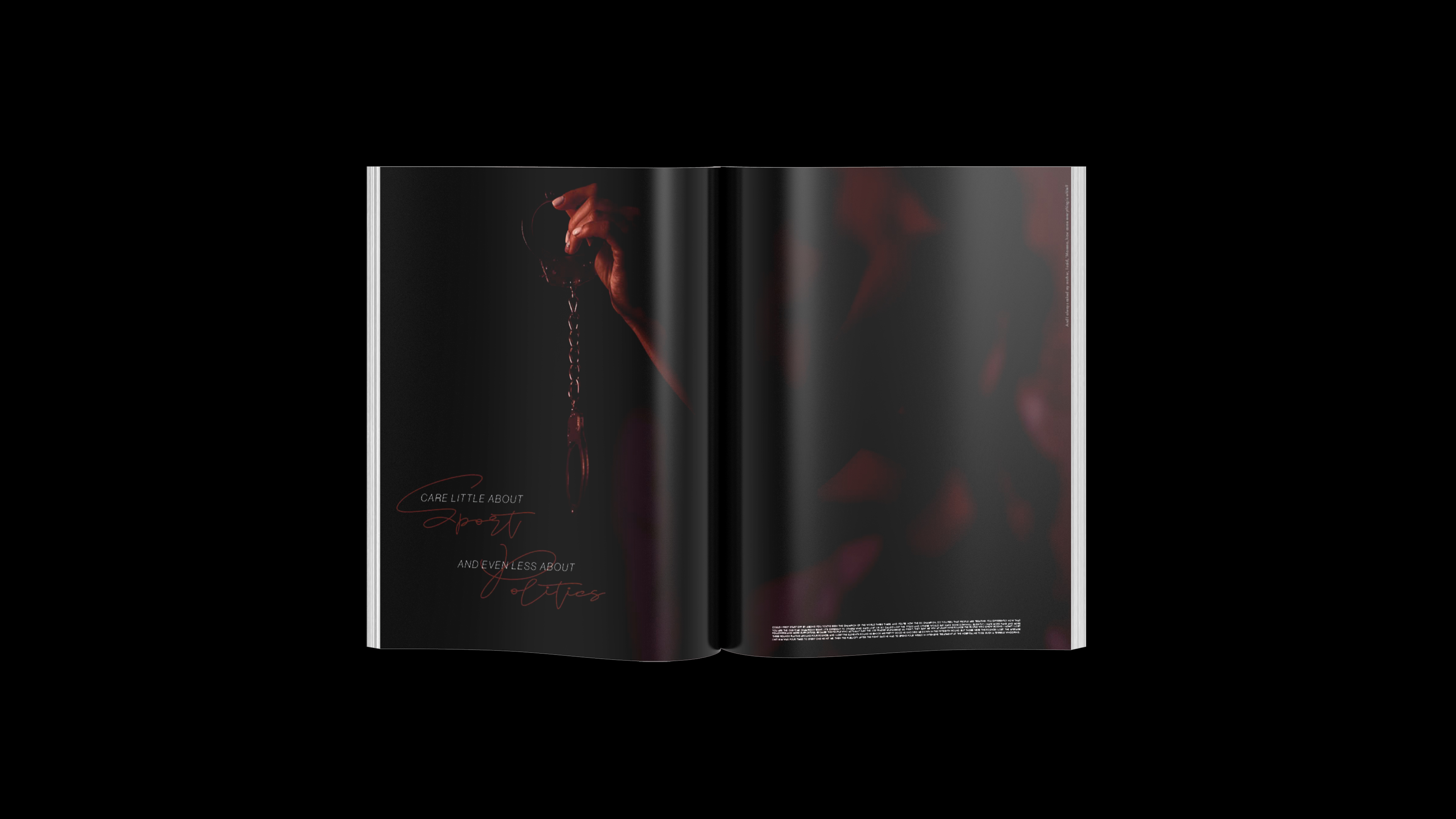
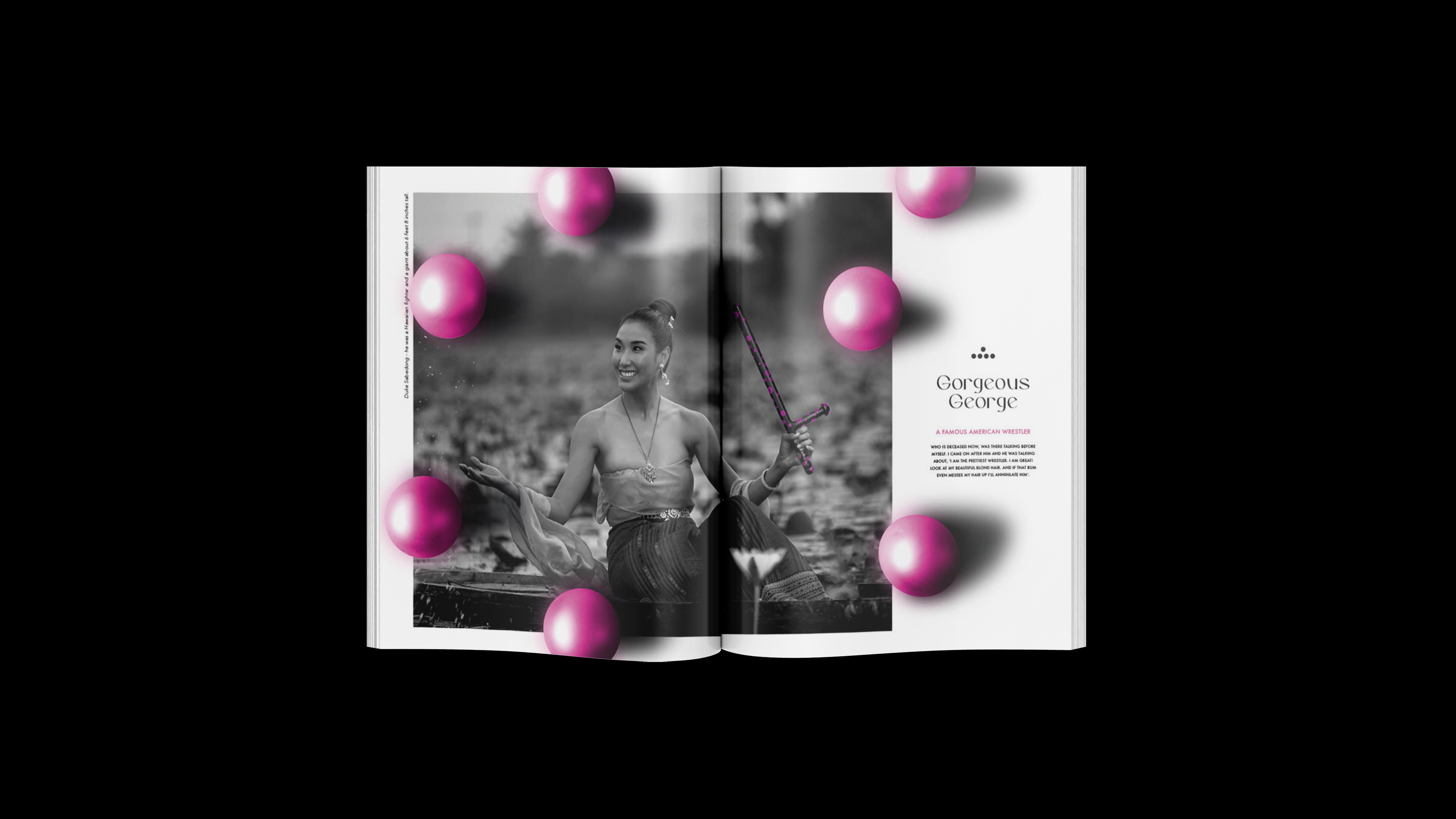
Perspective 1: Tools Of Oppression Zine
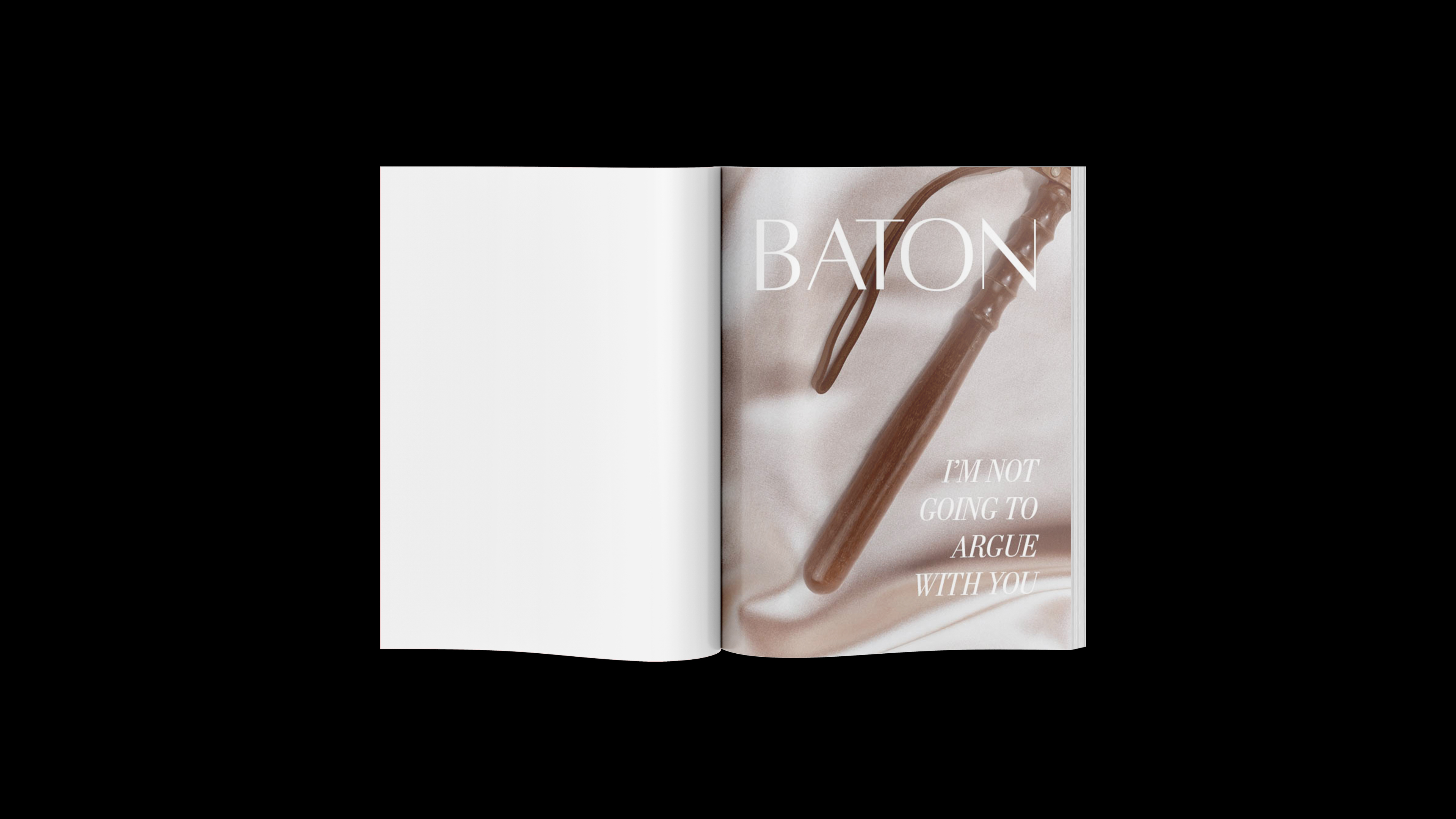
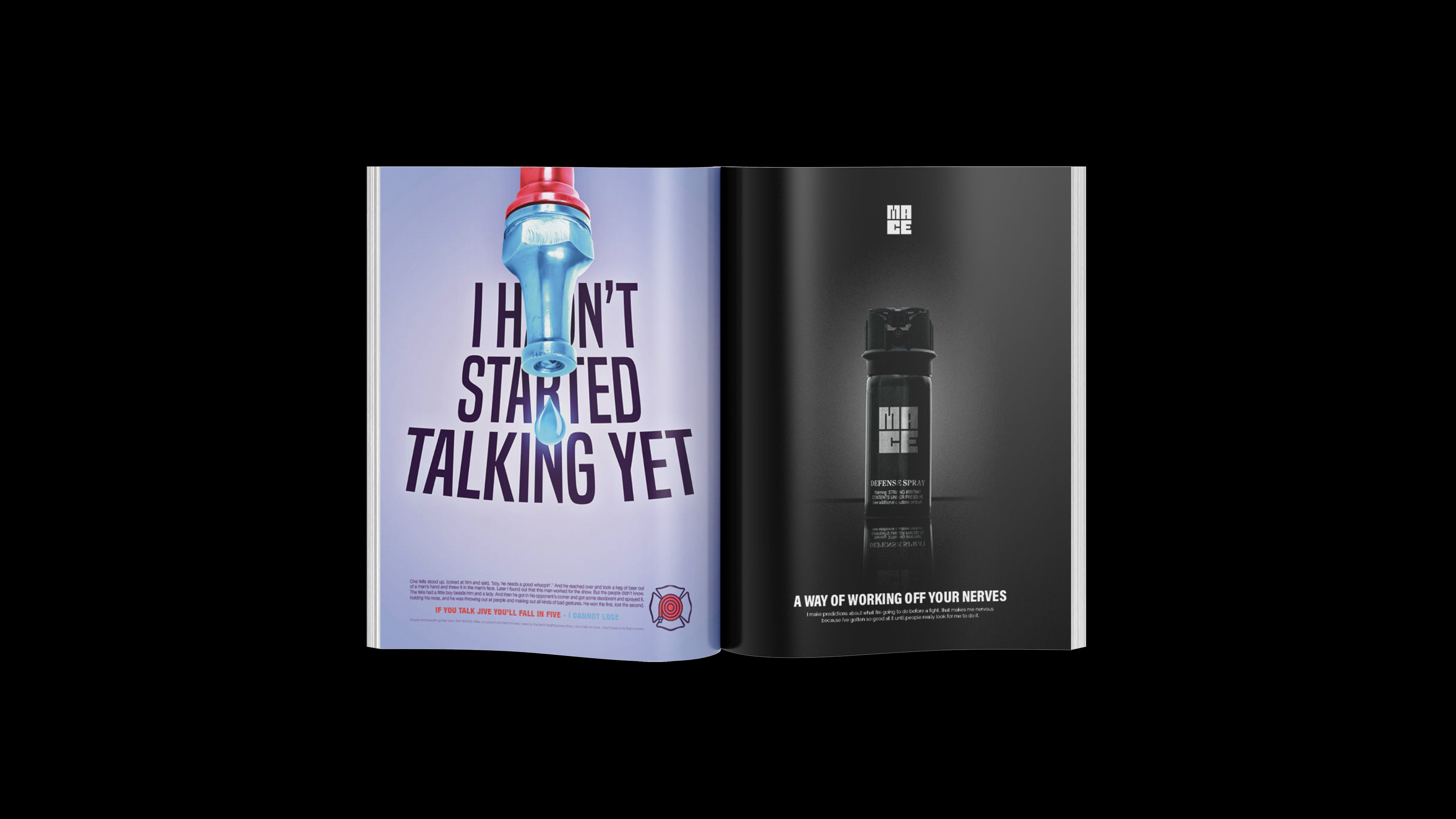
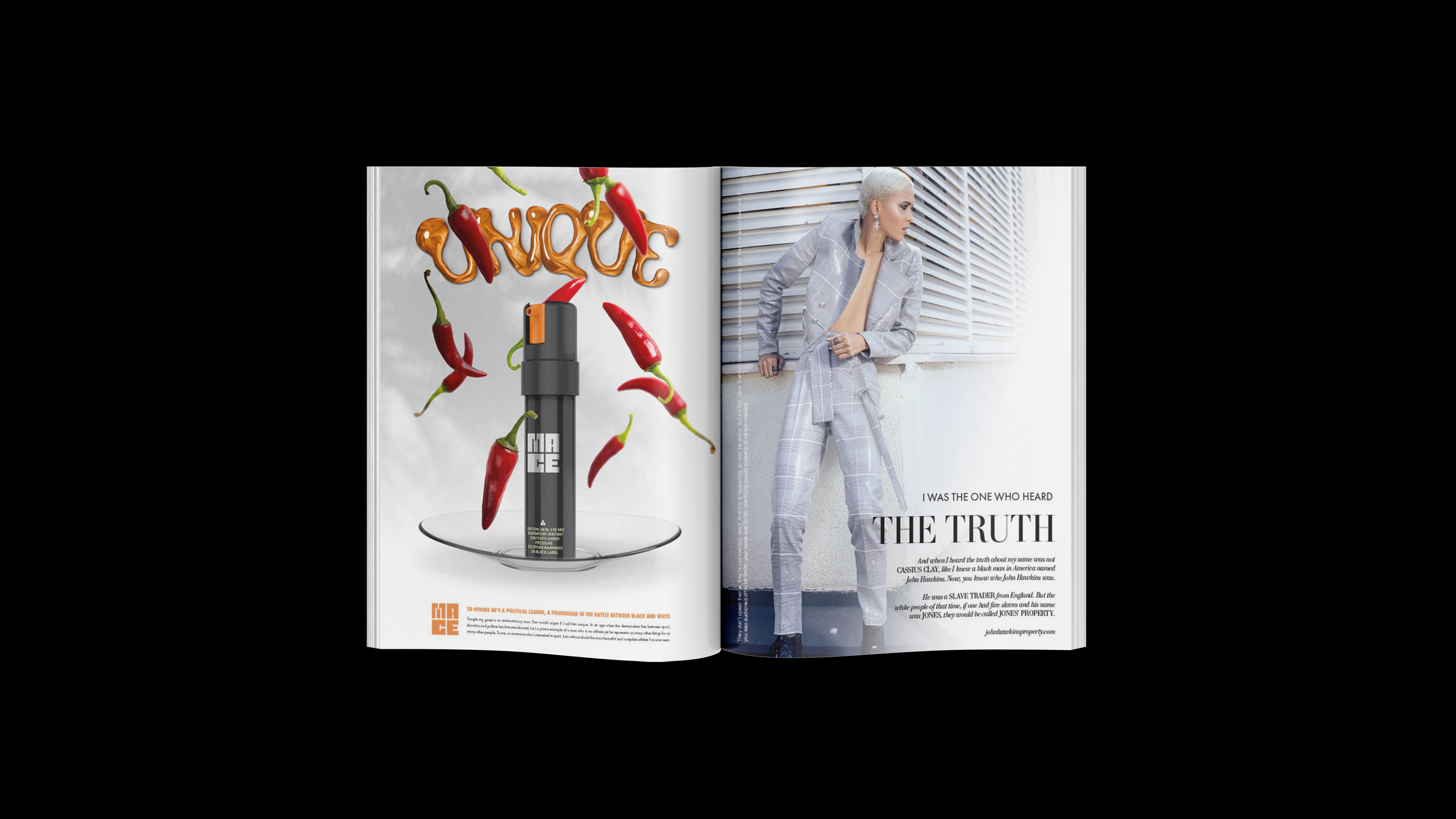
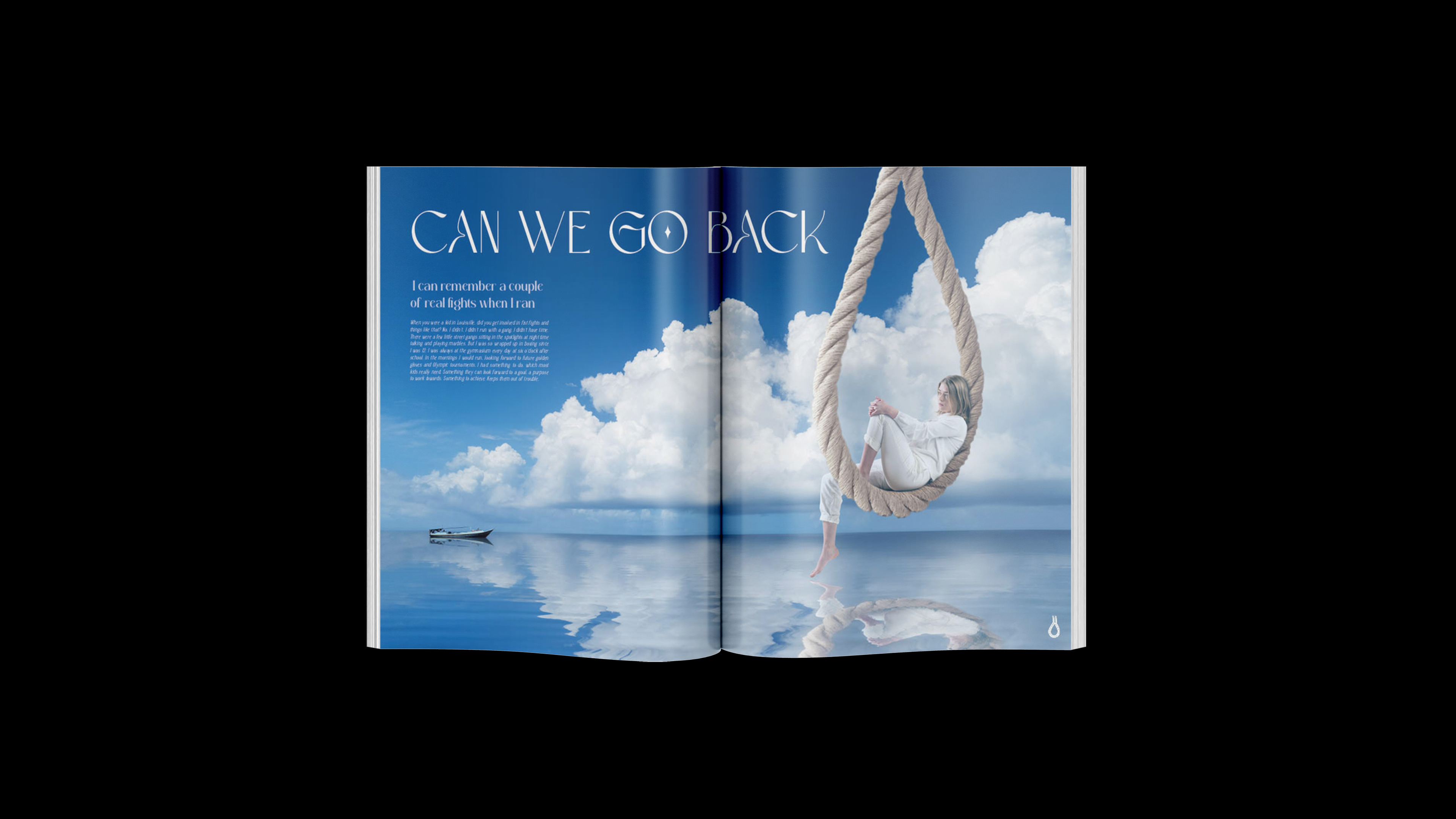
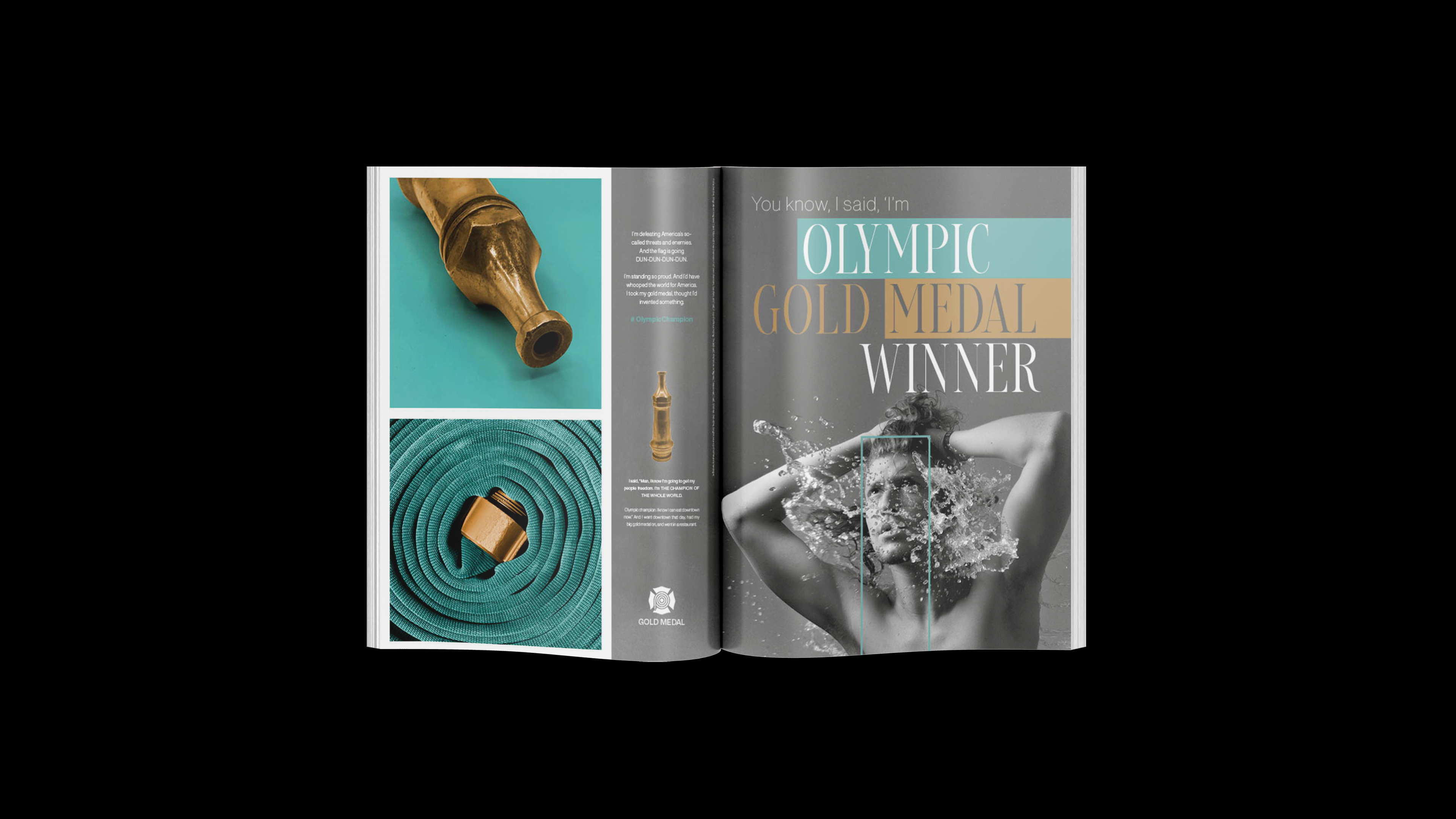
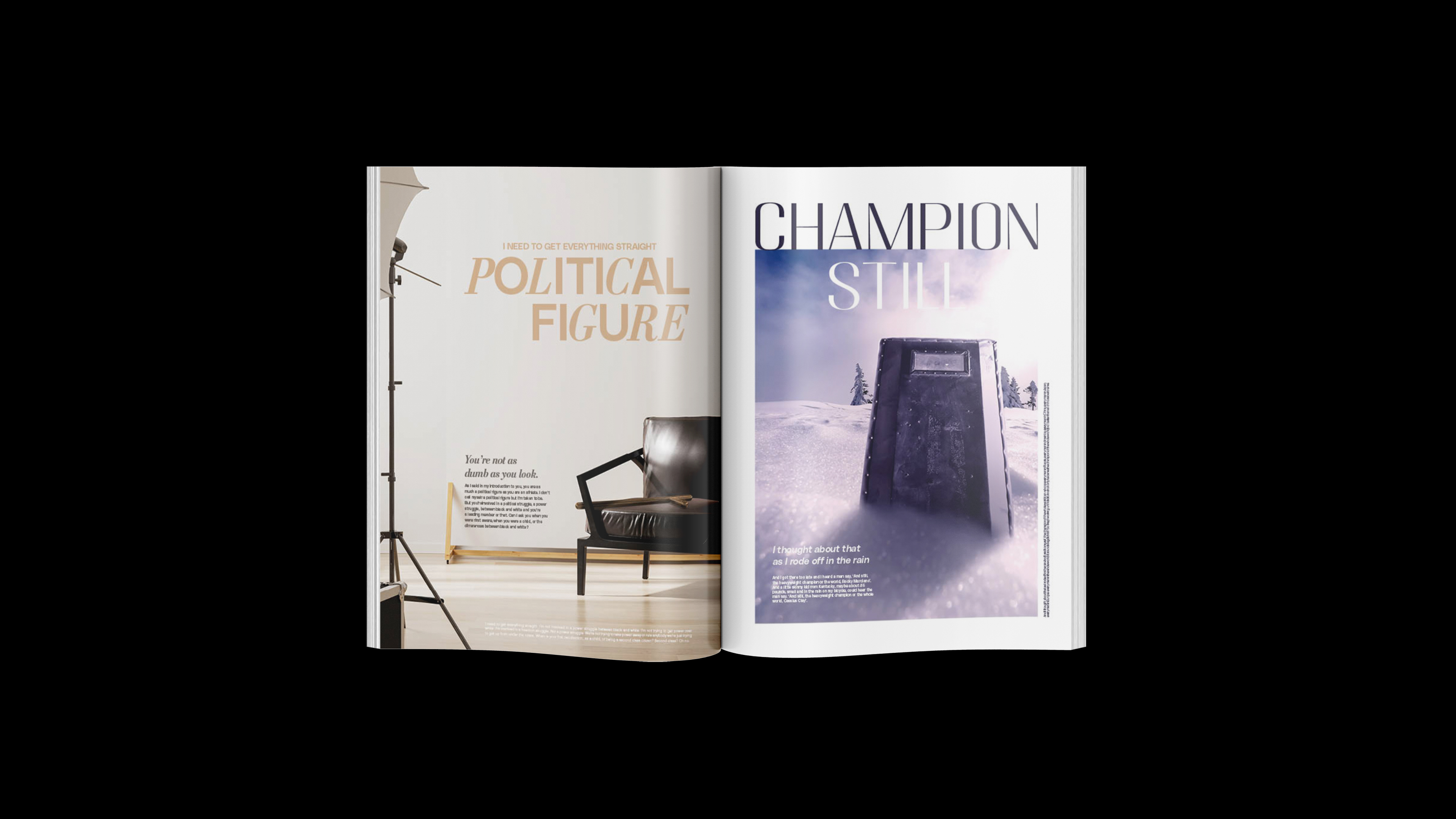
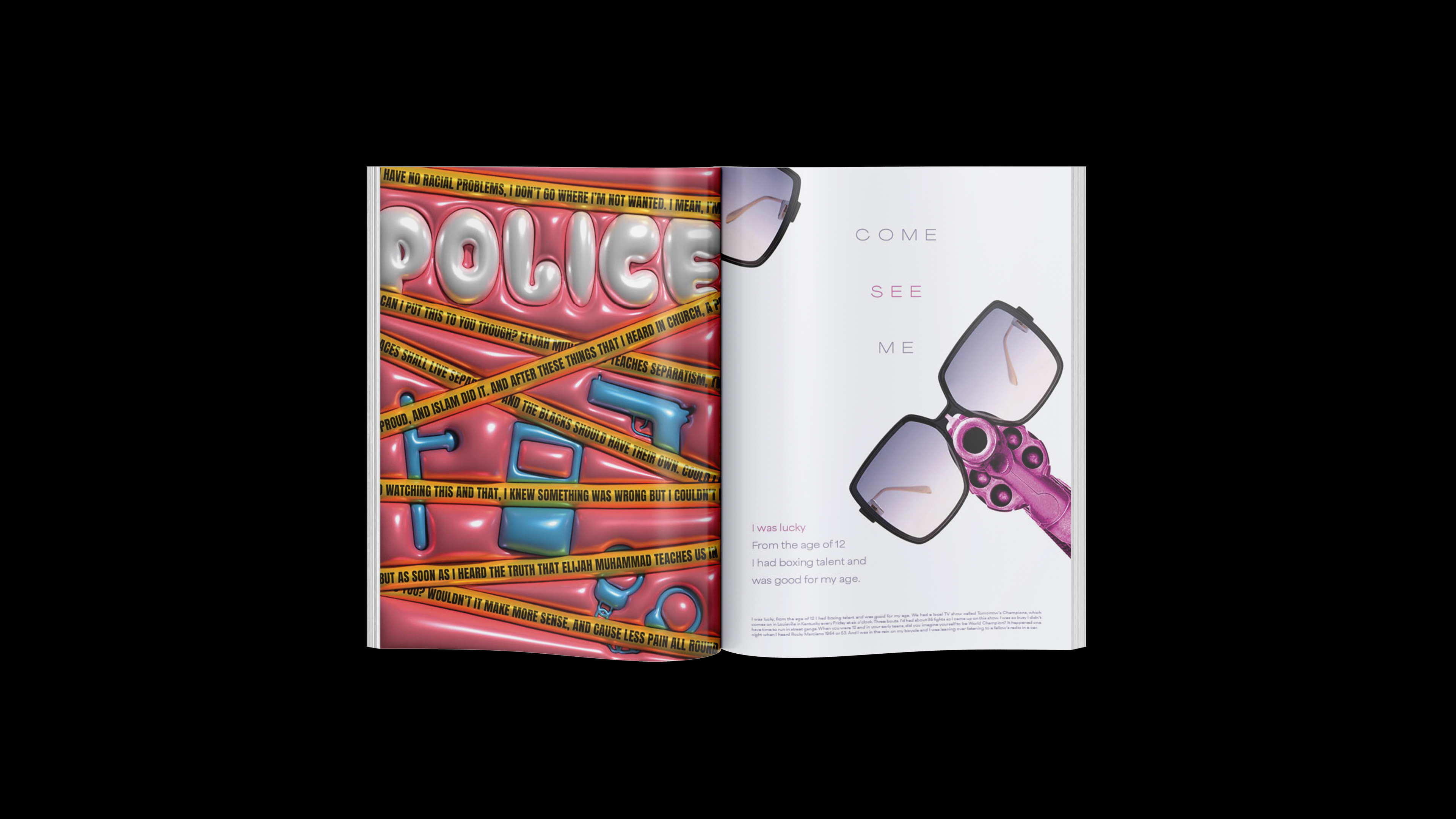
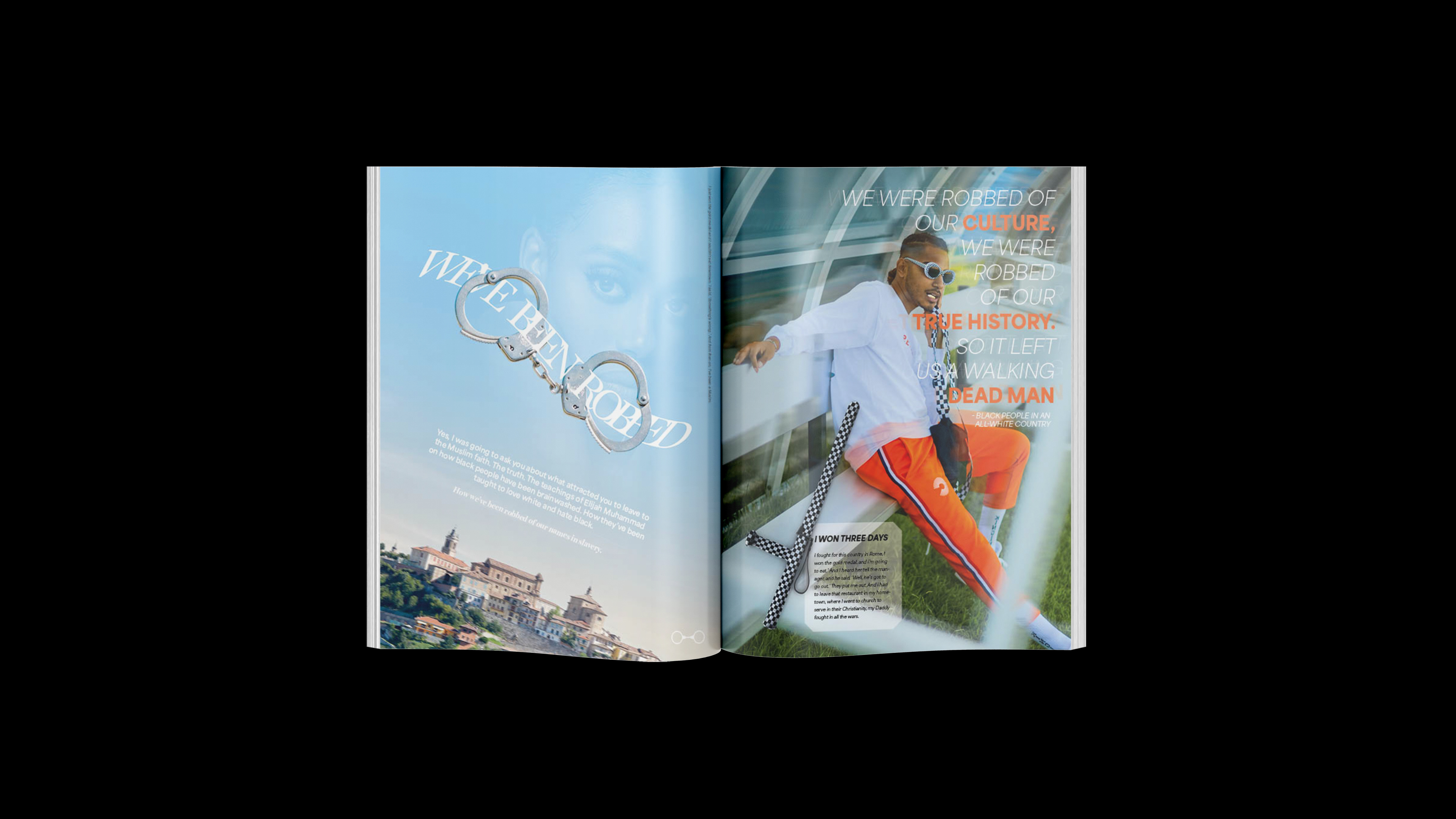
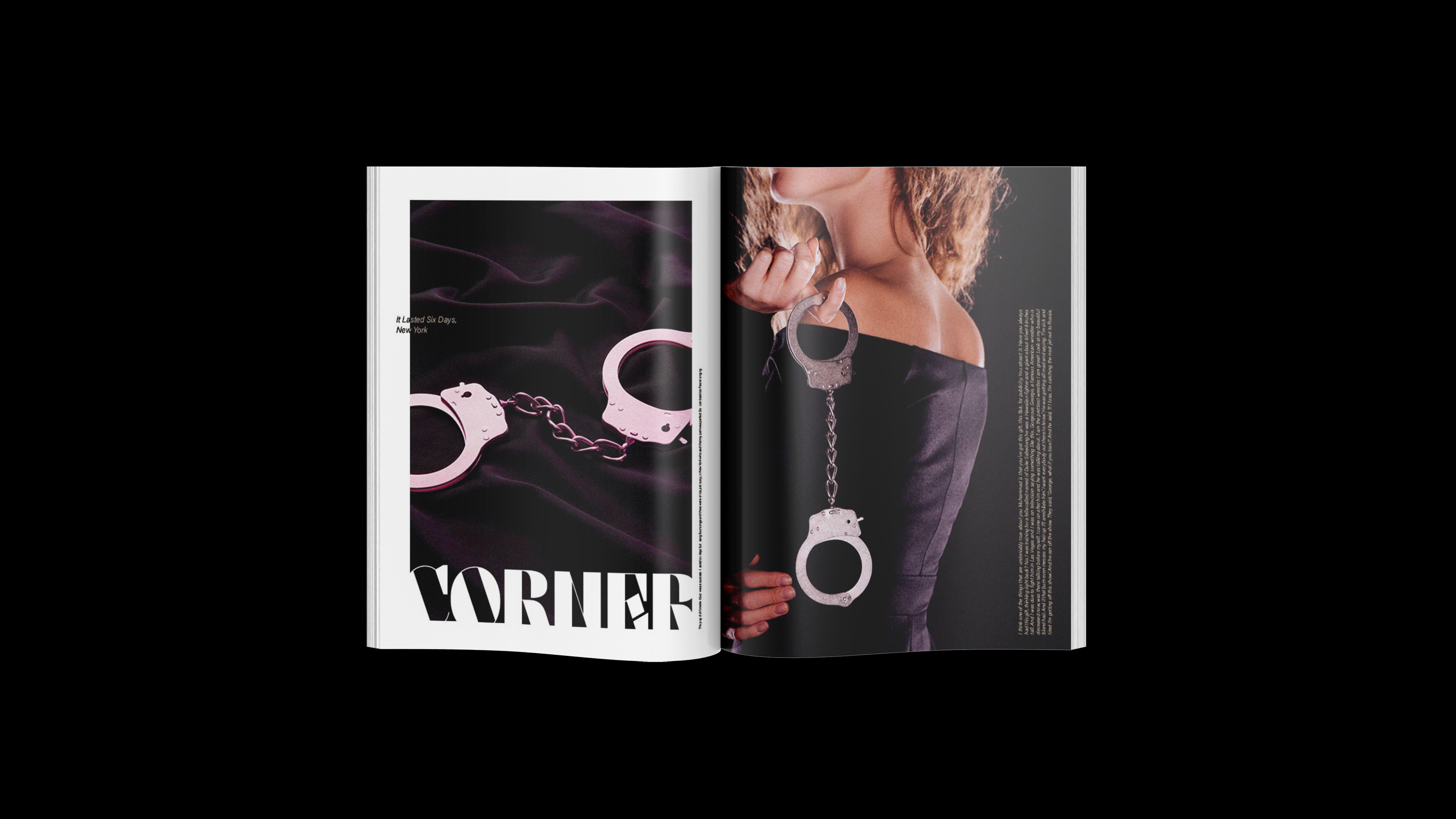
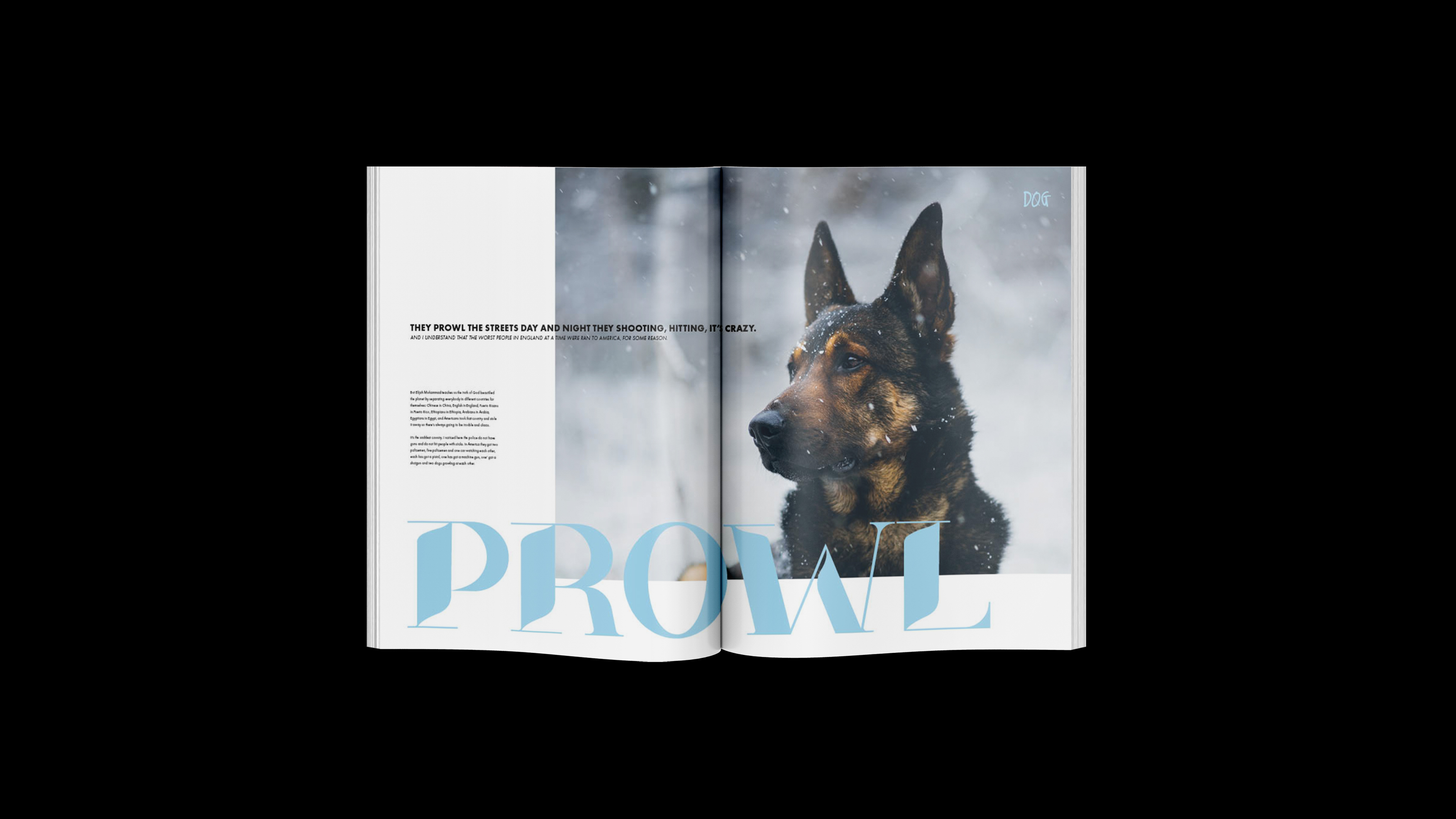
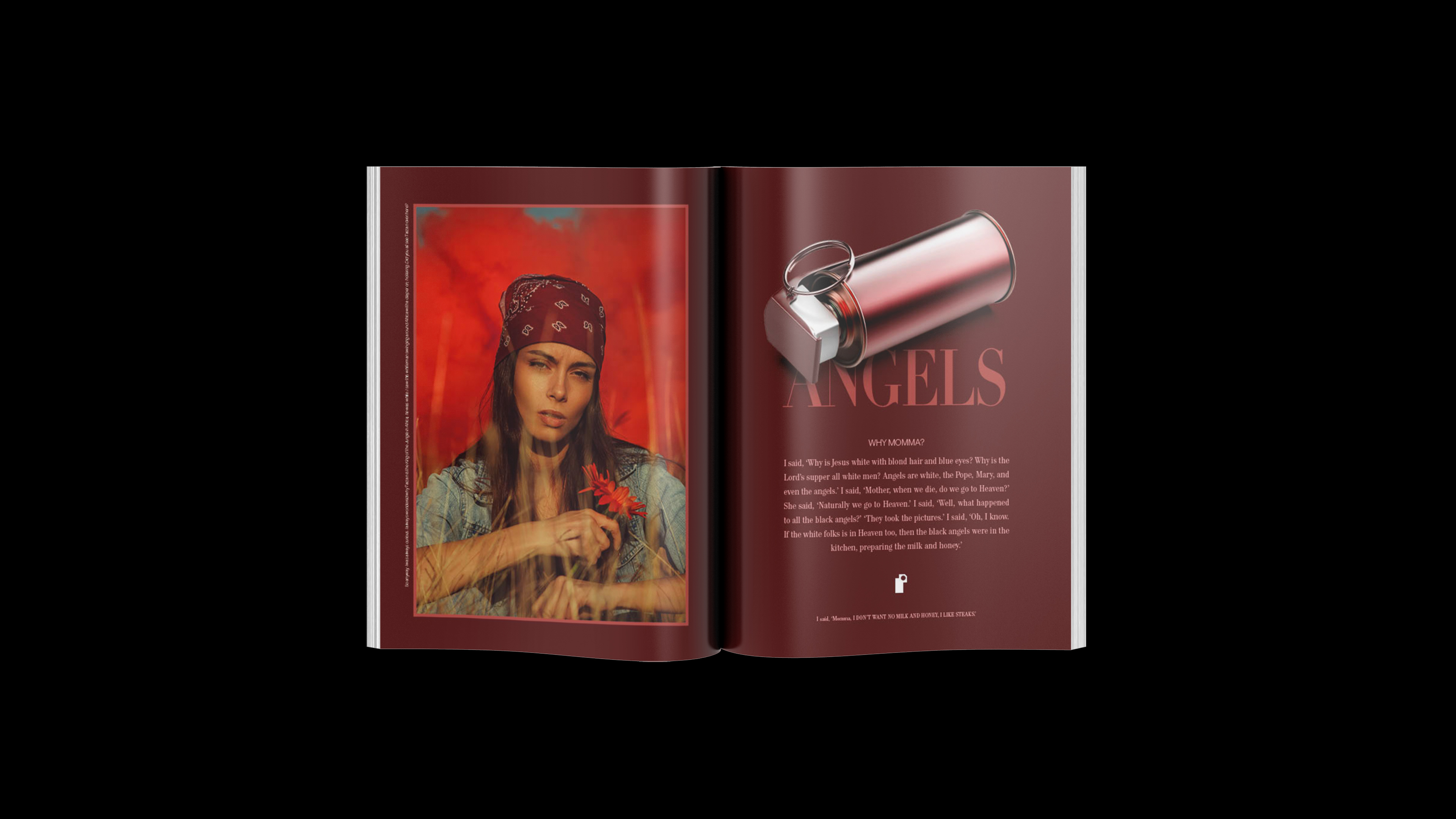
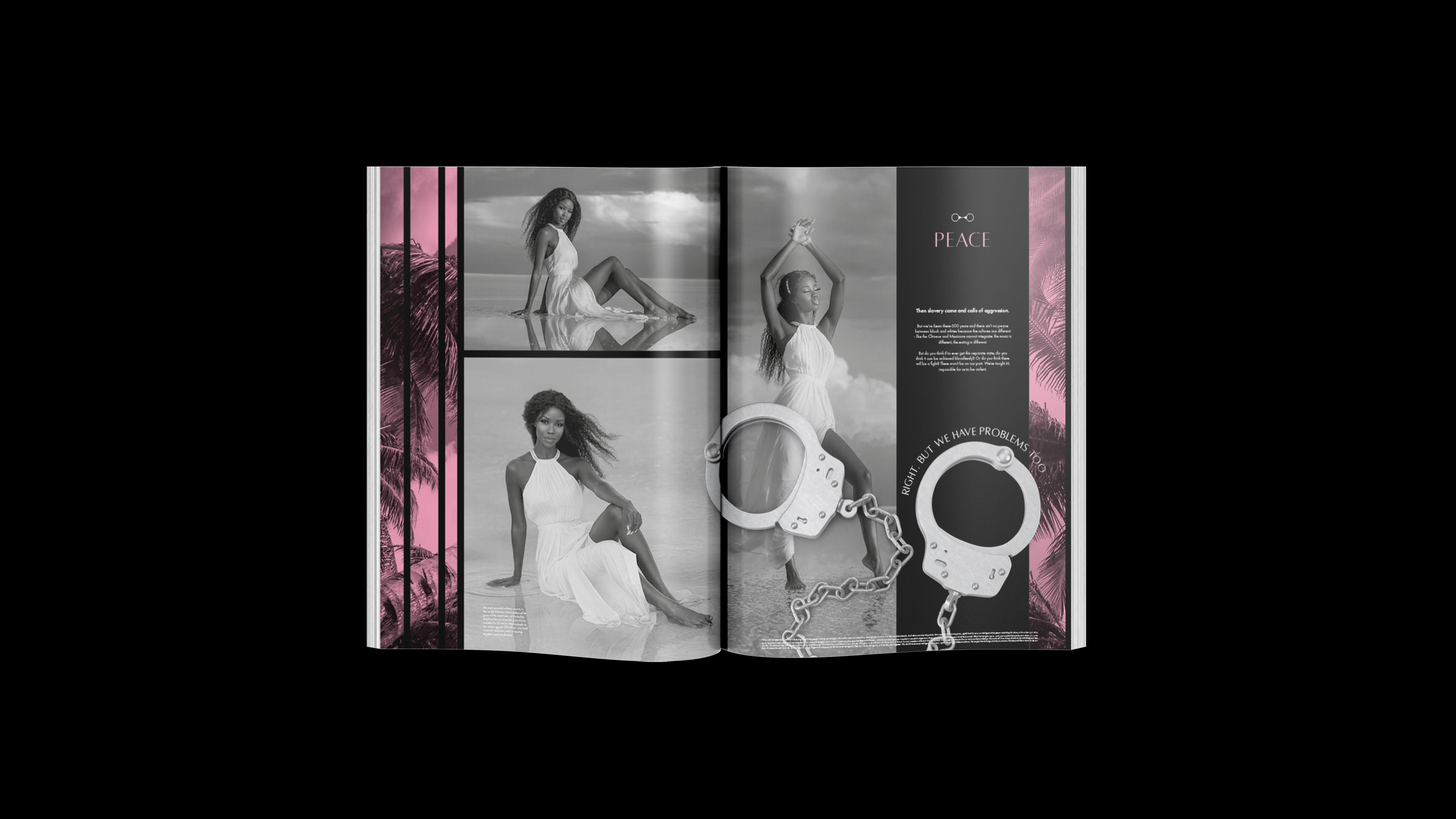
This perspective mimics a high-end magazine, with advertisements subverted to highlight tools of oppression, styled as luxury products. This unexpected twist draws readers in with familiar visuals, only to confront them with the harsh realities of civil rights struggles. It mirrors Ali’s blend of humour and gravity, evoking emotions from shock to empathy, and making the issues he discussed deeply impactful and resonant with his activism.






Perspective 2: Photobook
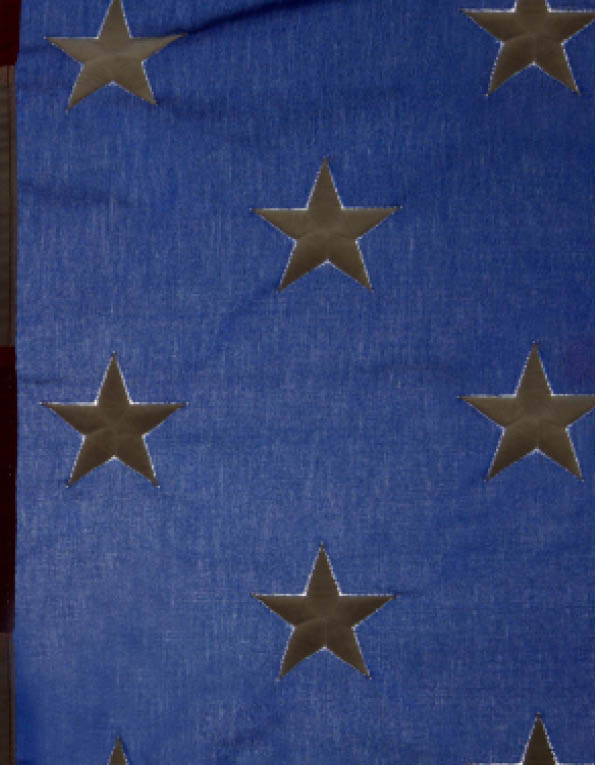
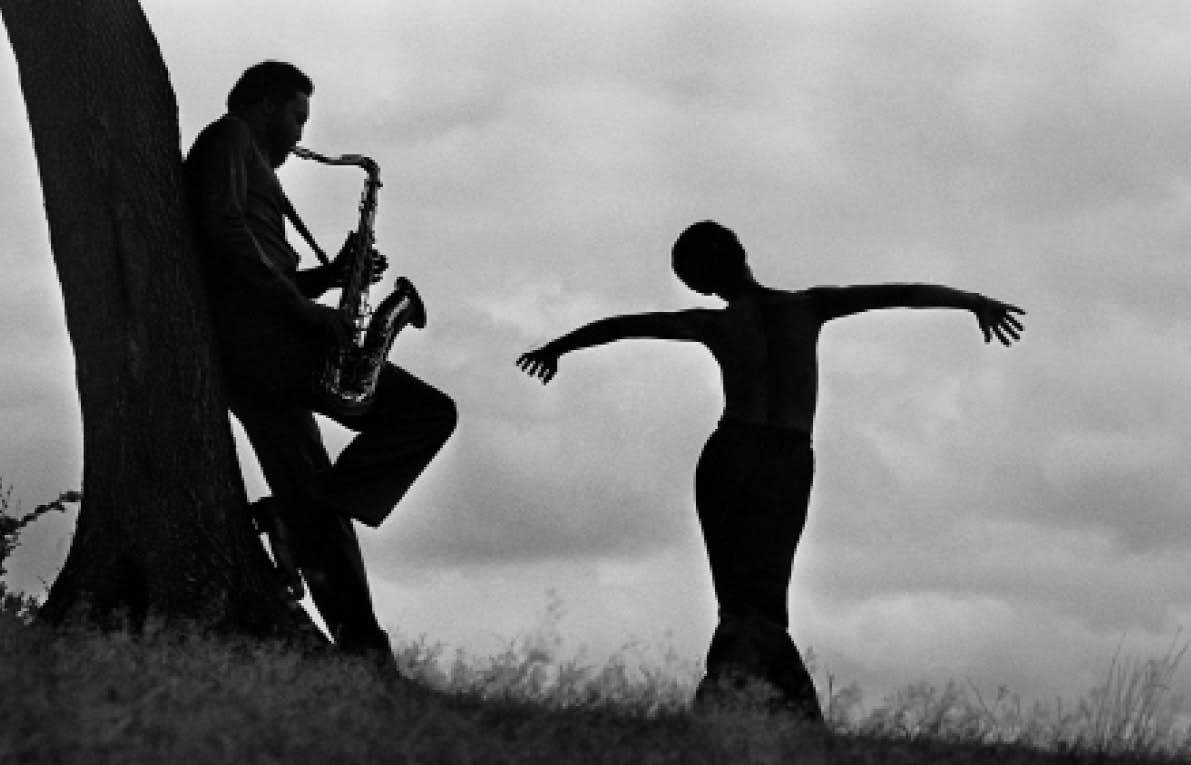
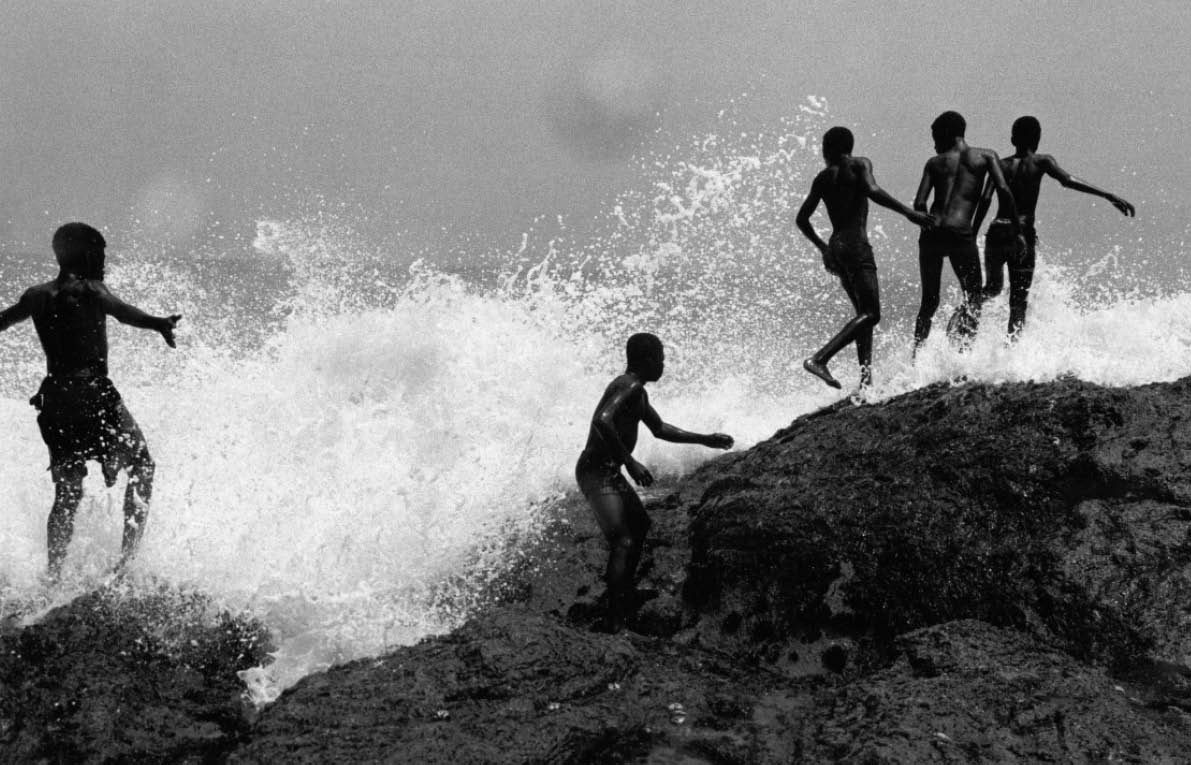
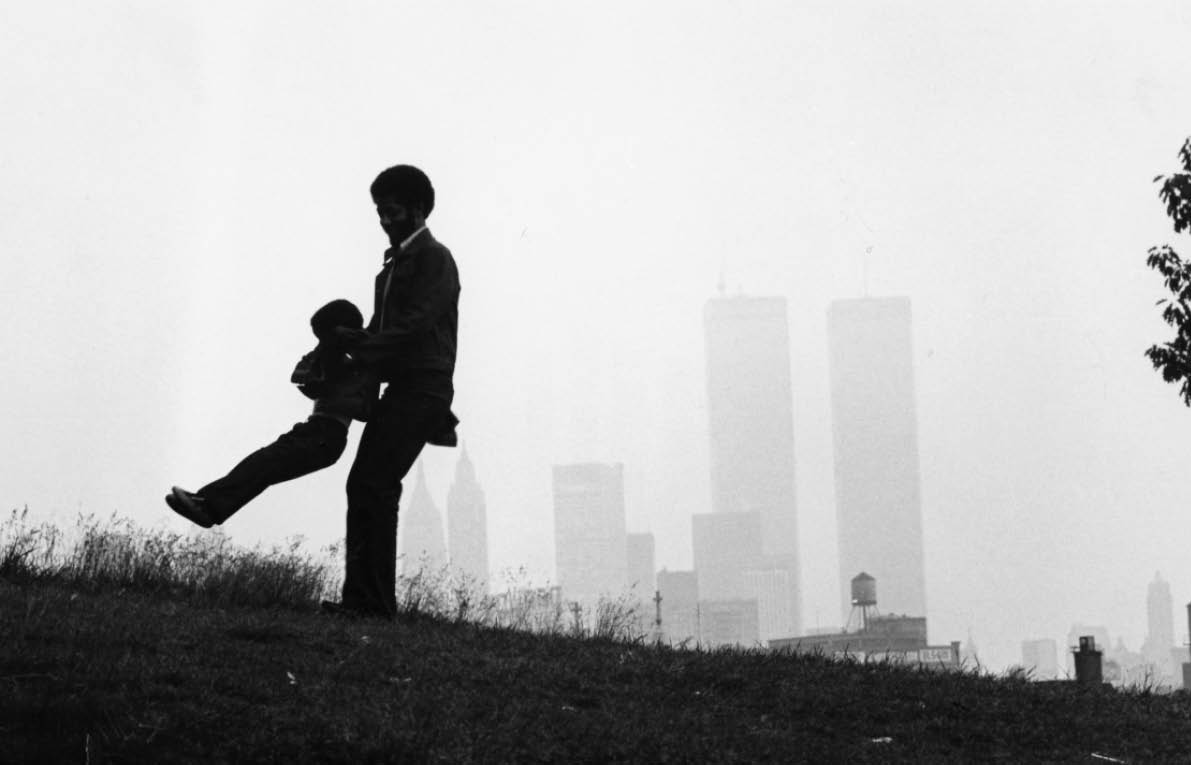
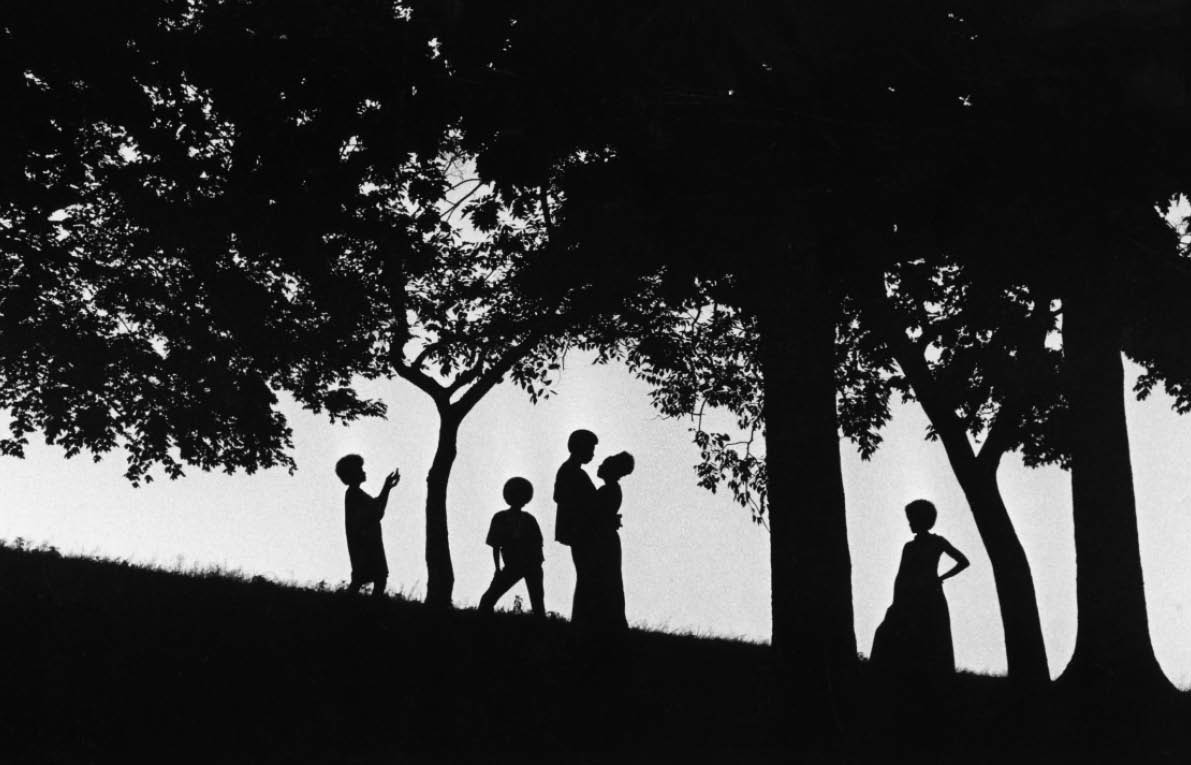
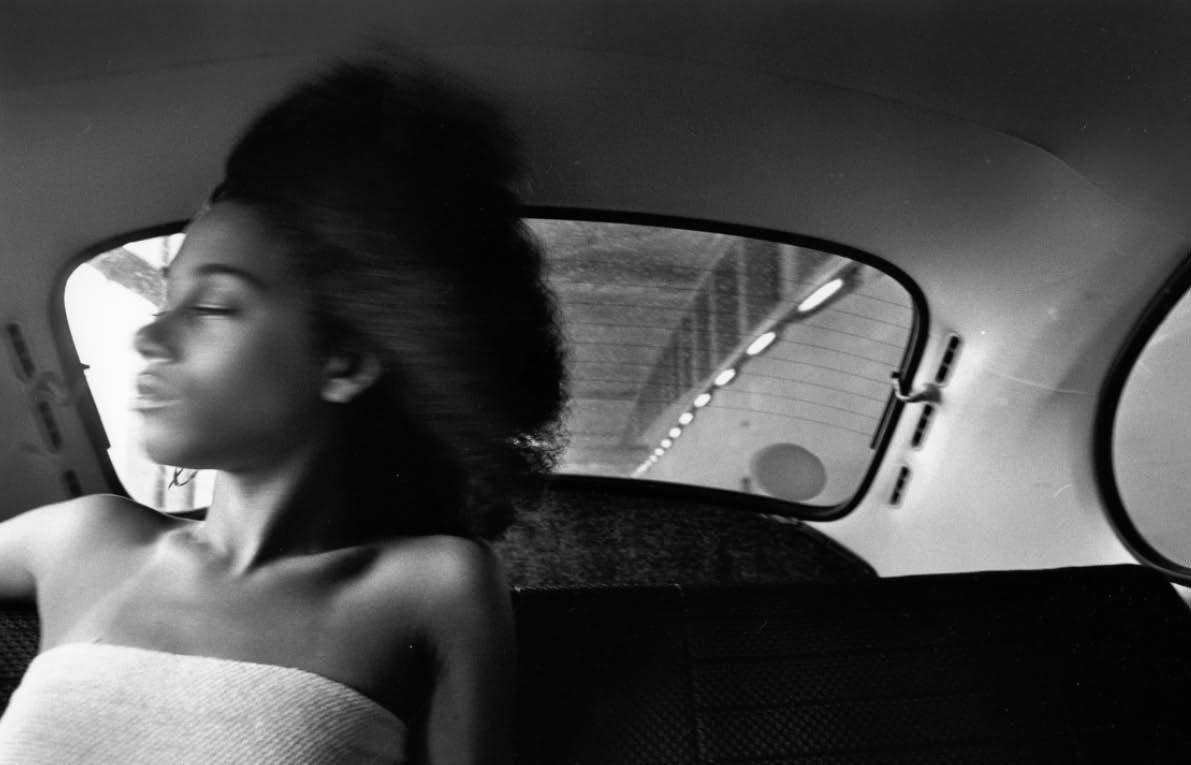
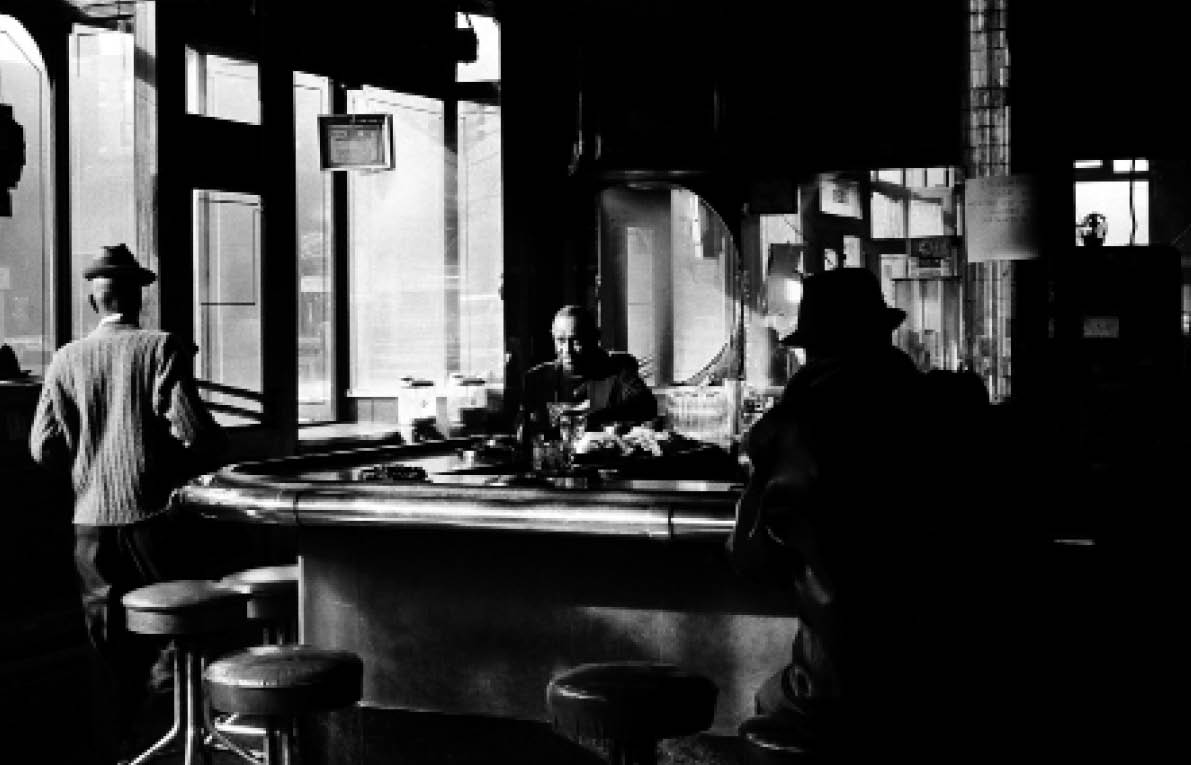
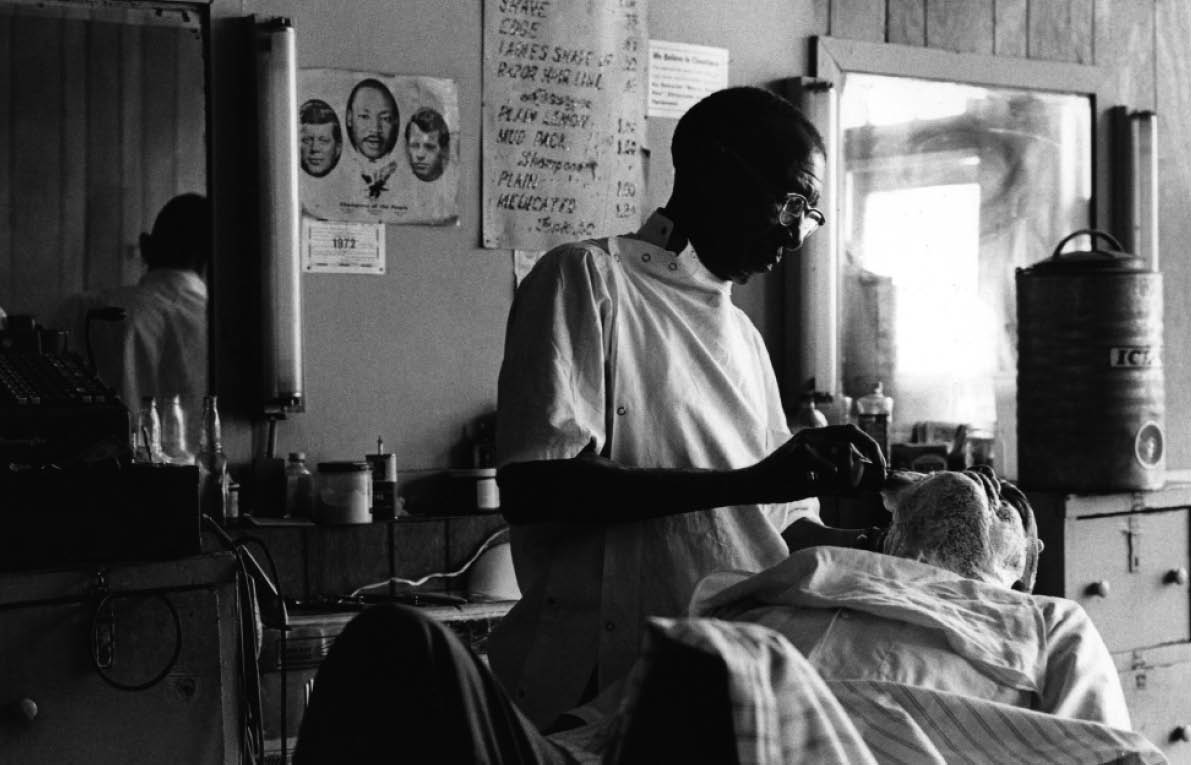
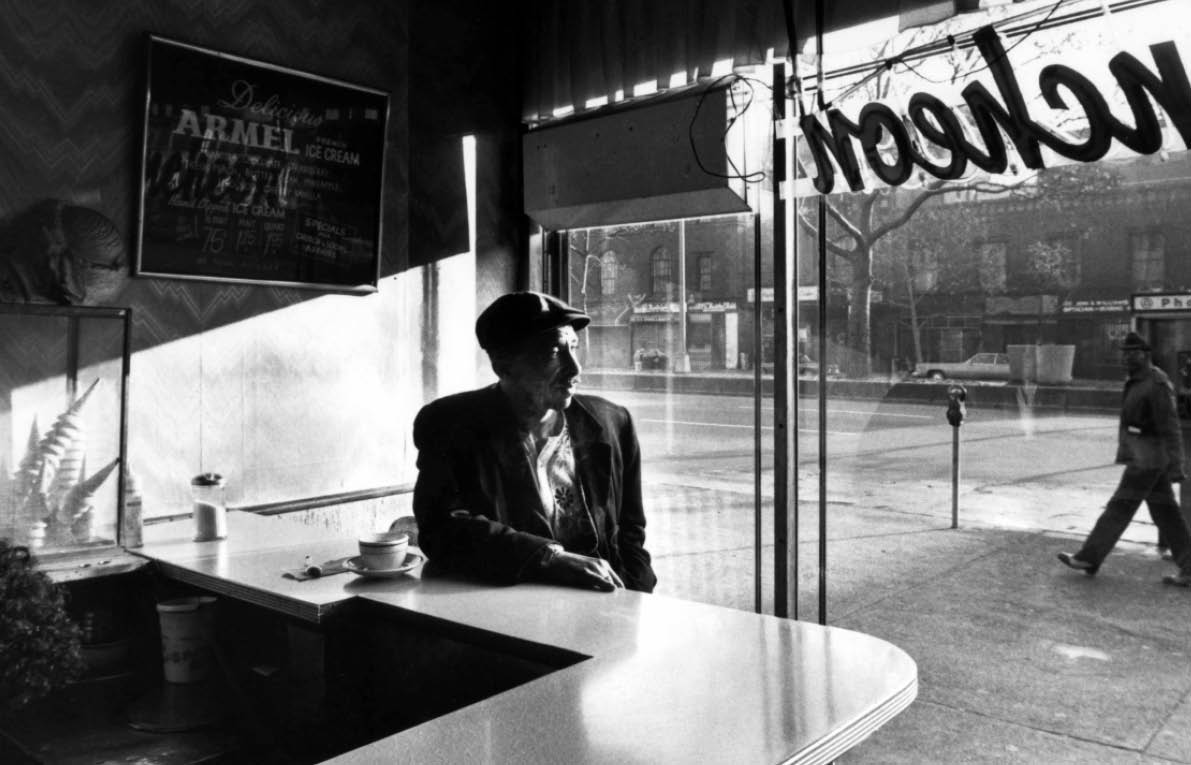
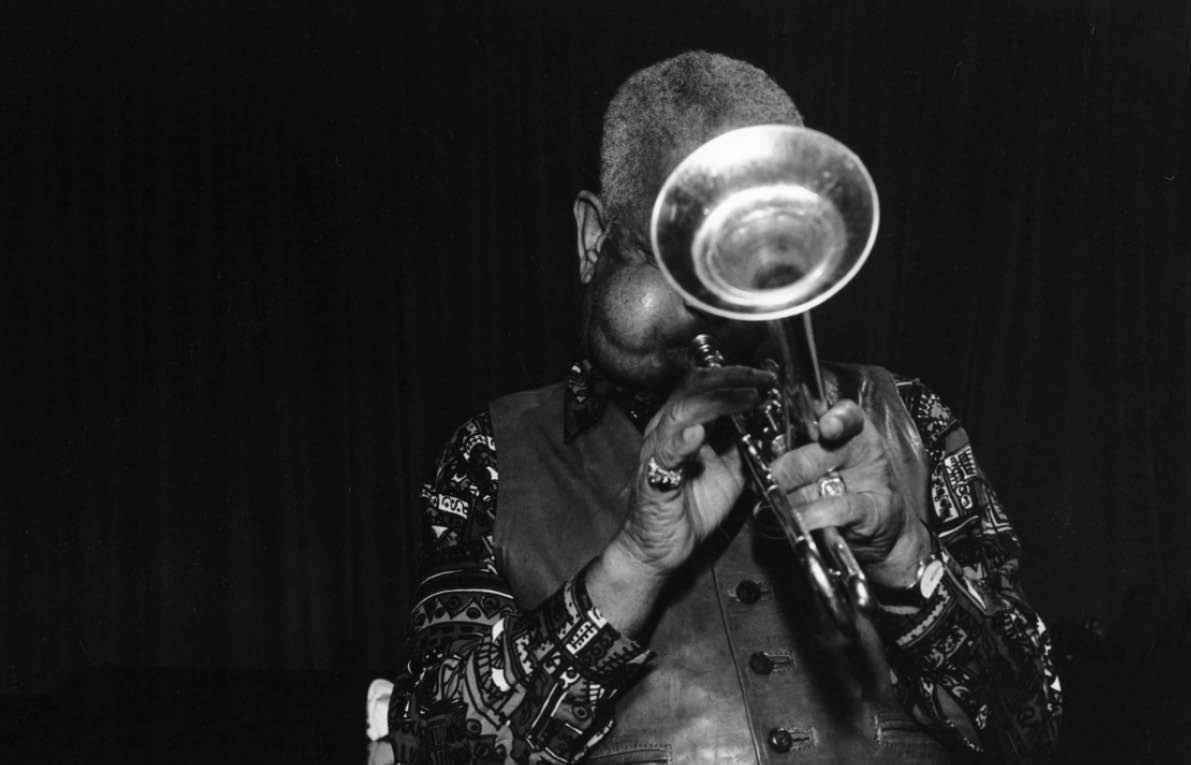
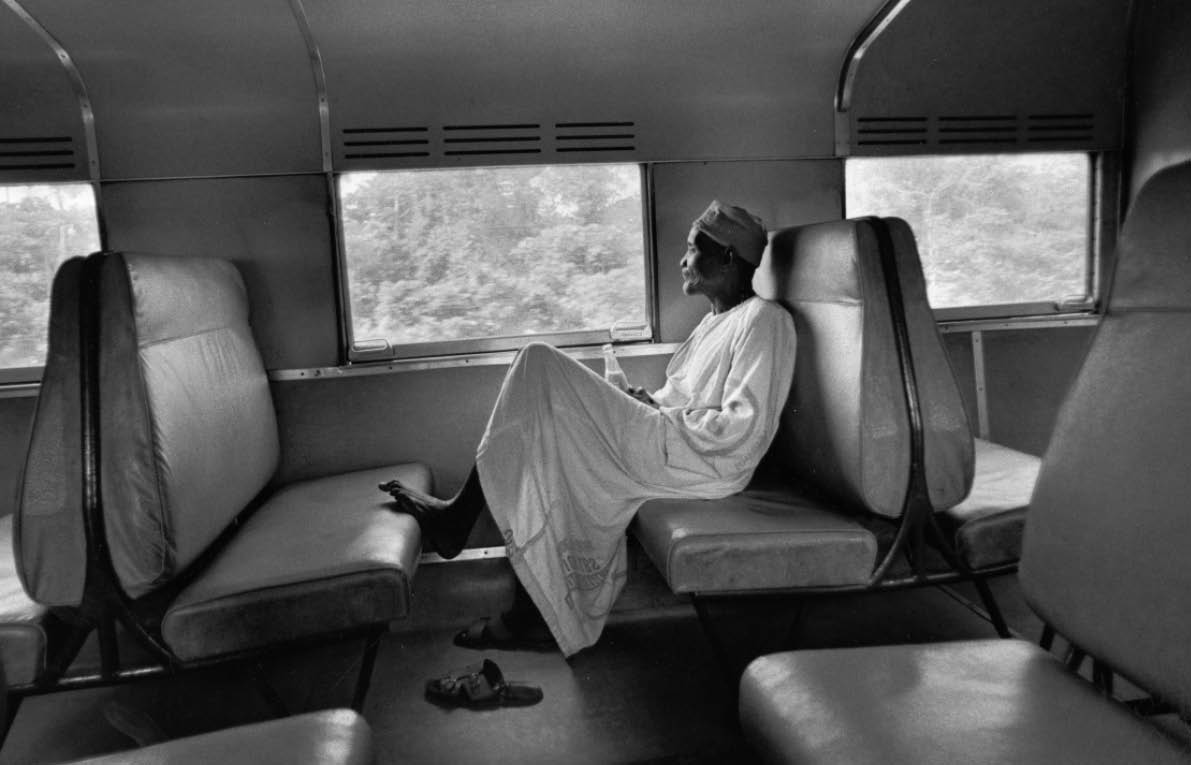
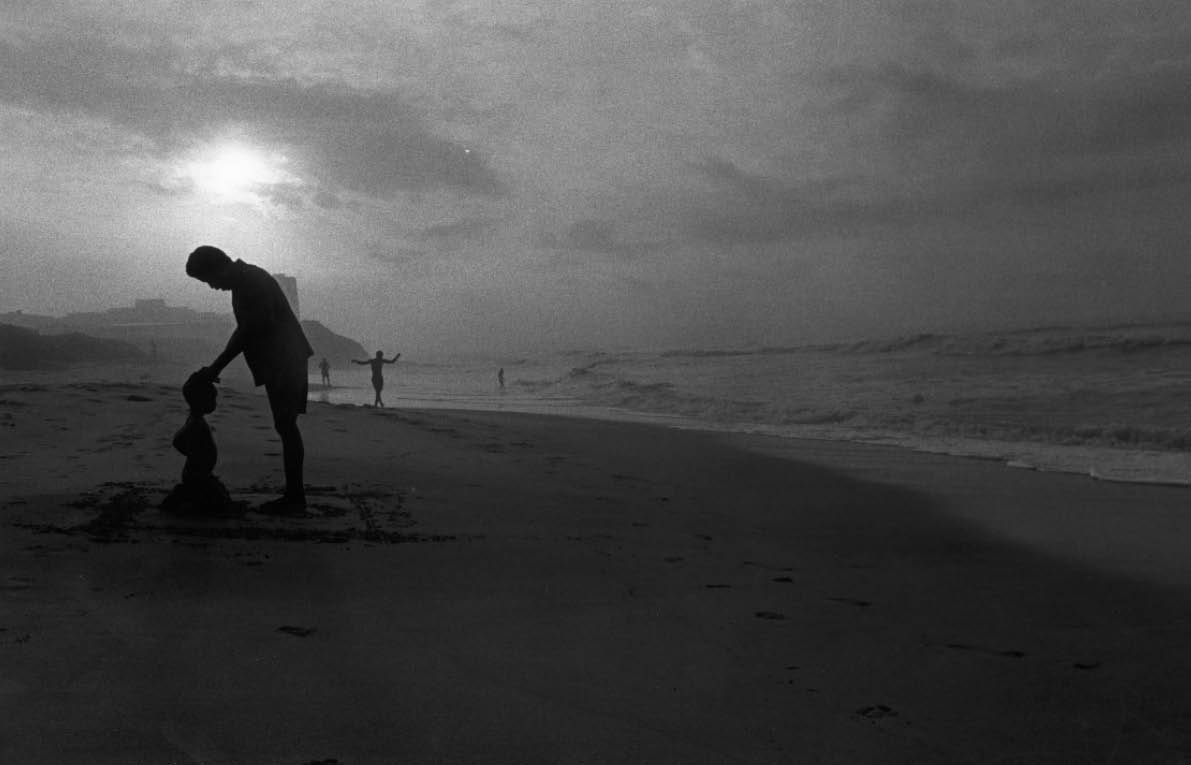
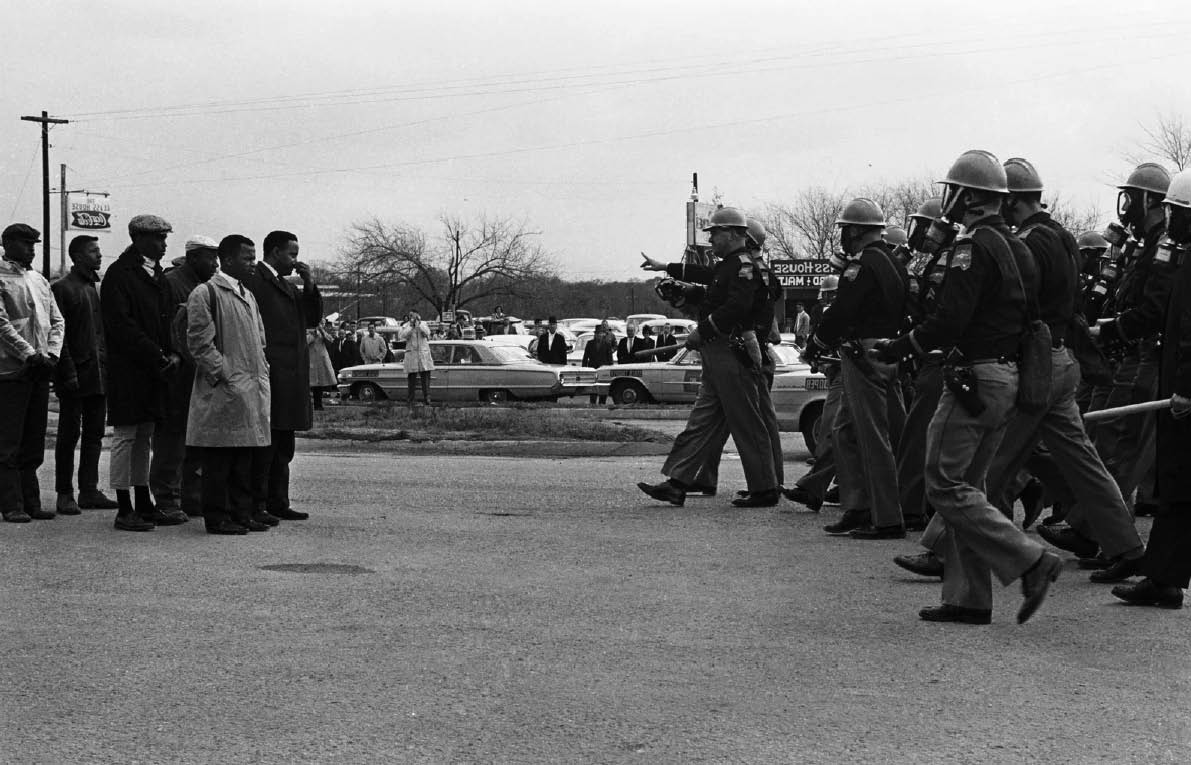
This photobook mirrors the shift in tone of Muhammad Ali’s 1971 interview with Michael Parkinson, which begins with lighthearted banter and transitions to serious discussions on civil rights and racism.
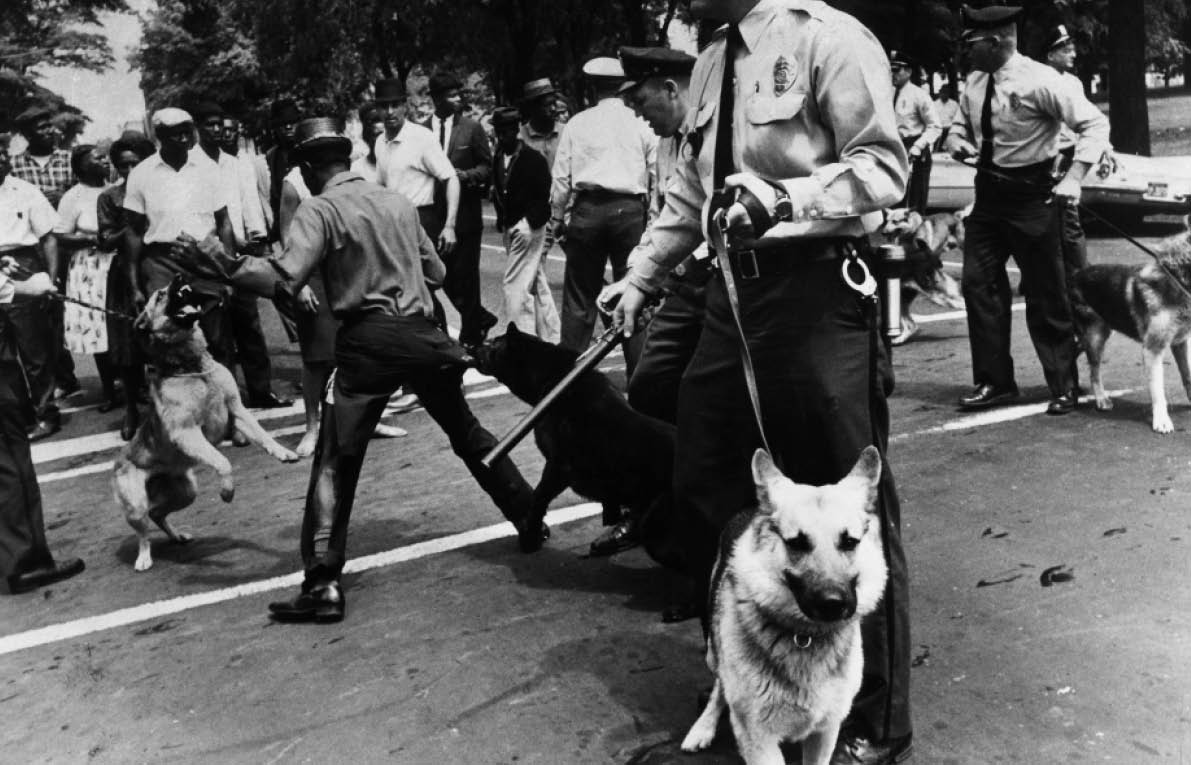
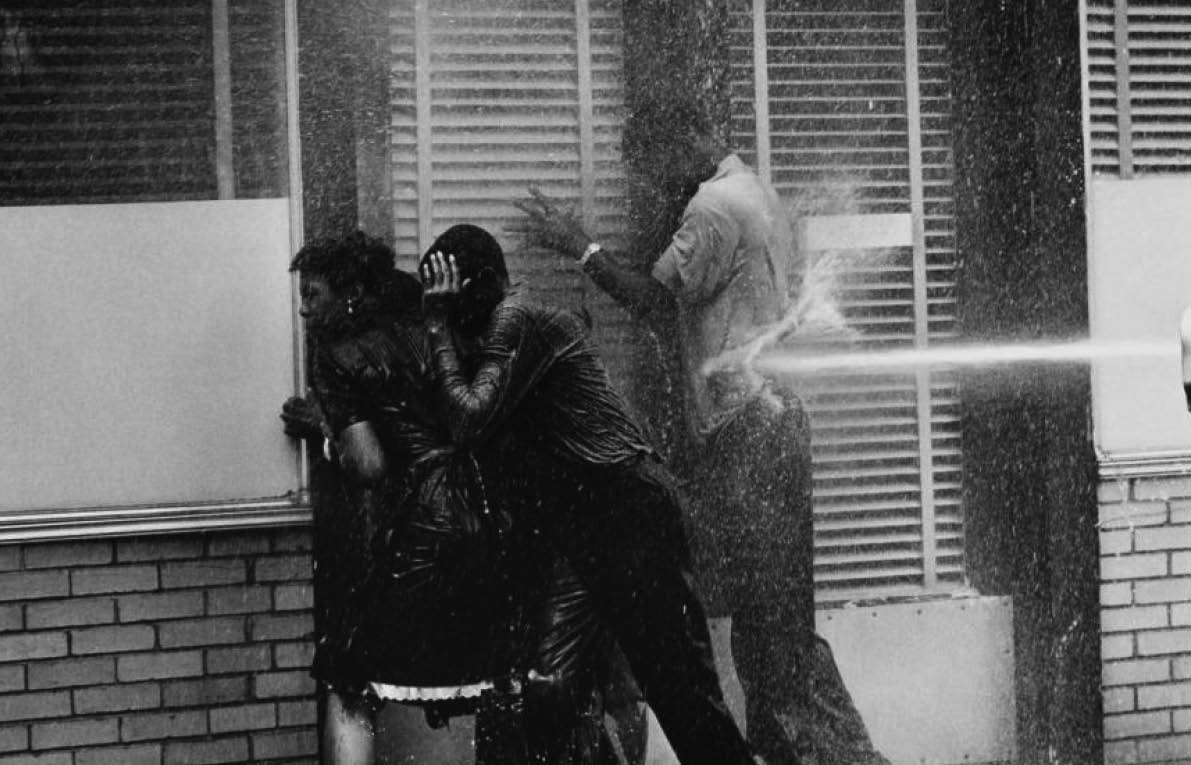
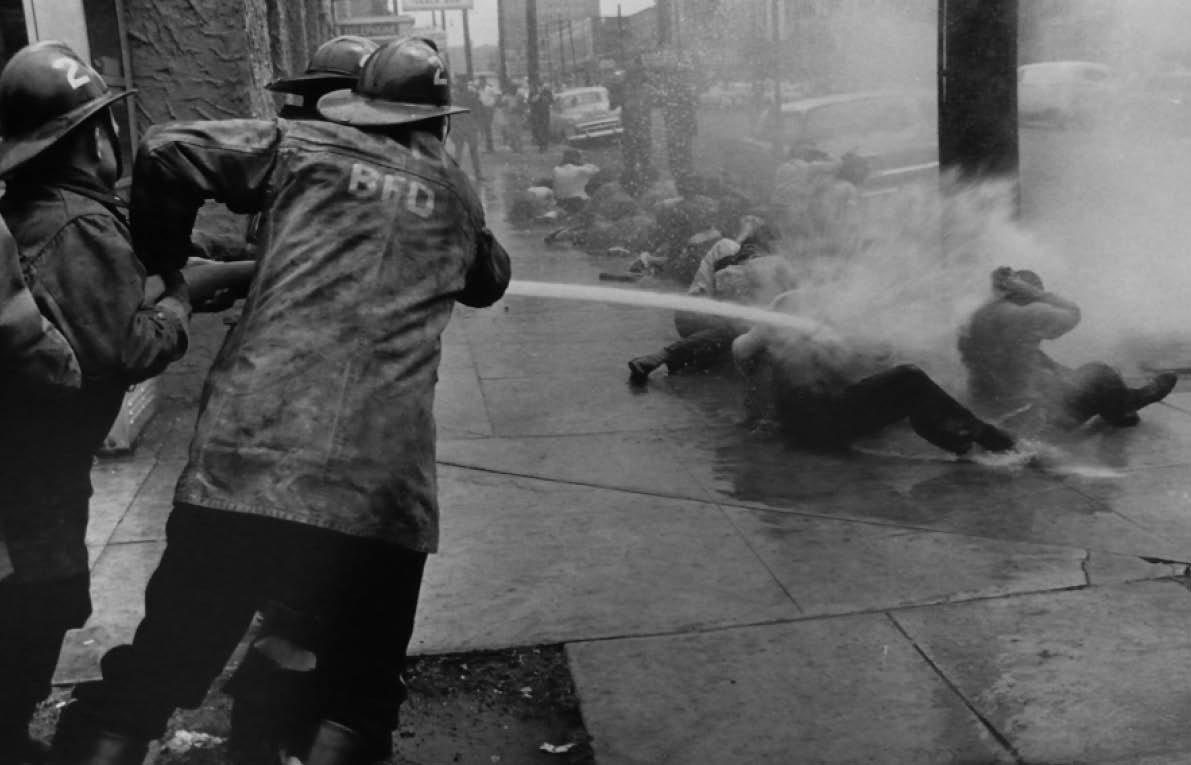
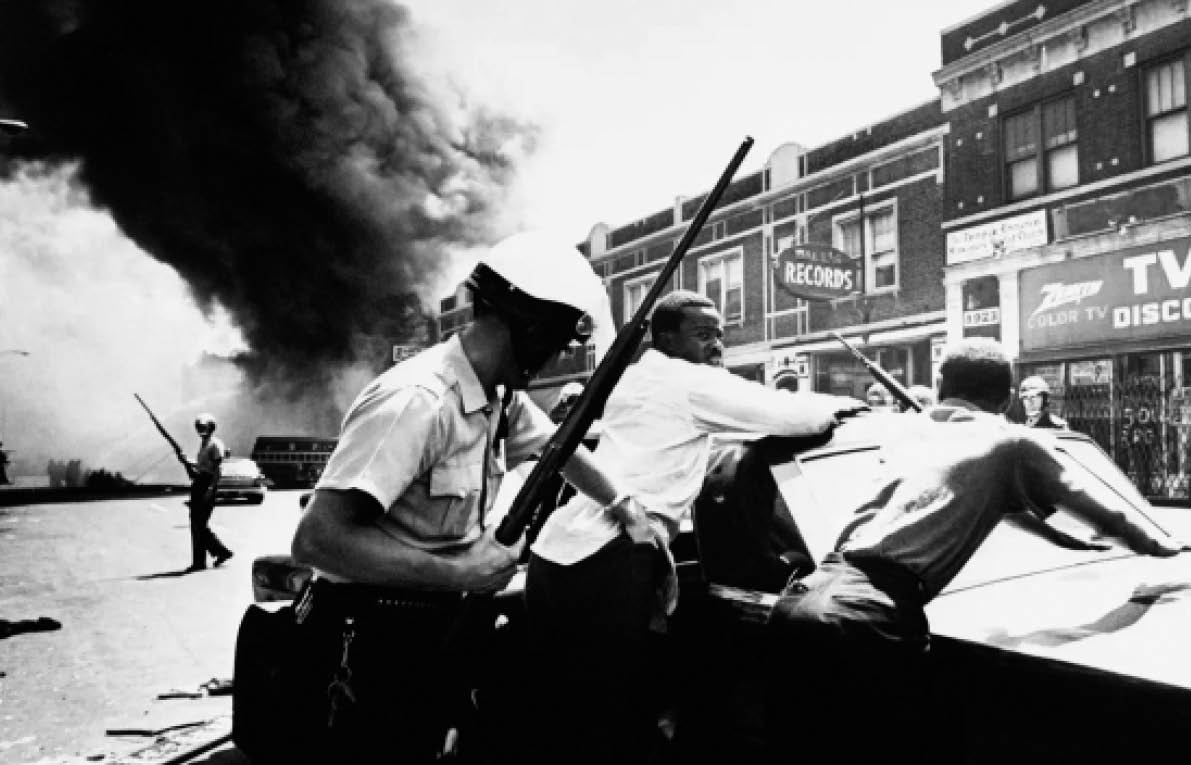
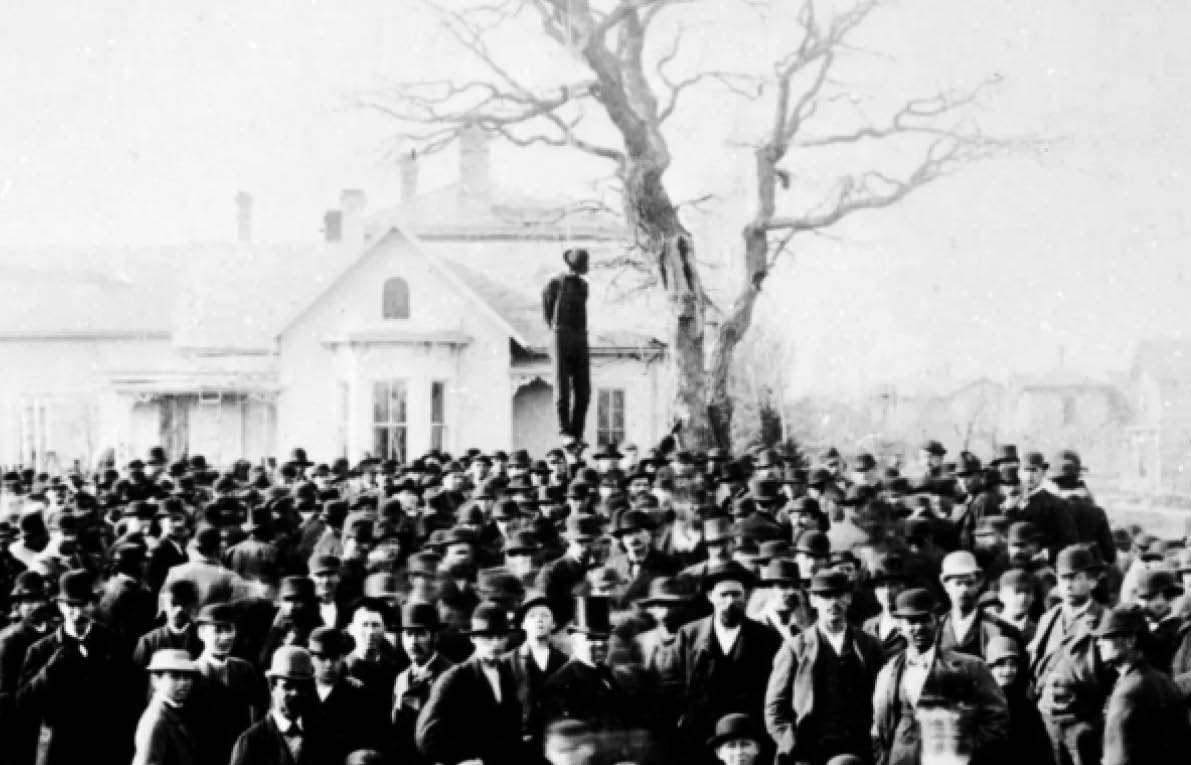
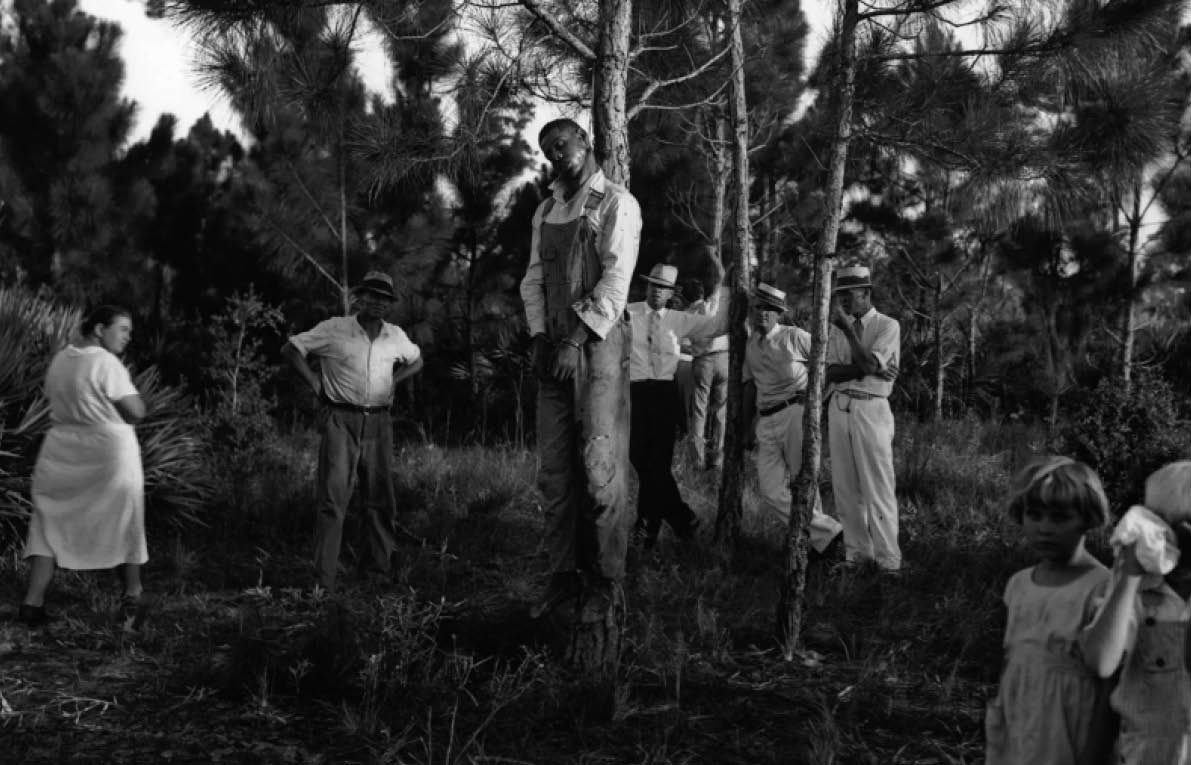
The entire book features full-bleed images, with the first half celebrating Black culture and tranquility in the 1970s. At the midpoint, an impactful image of the “Bloody Sunday” standoff marks a turning point. As the reader progresses through the second half, the photos become increasingly darker, depicting police brutality and oppression faced by Black people.
This visual journey powerfully captures the emotional depth and progression of Ali’s historic conversation.



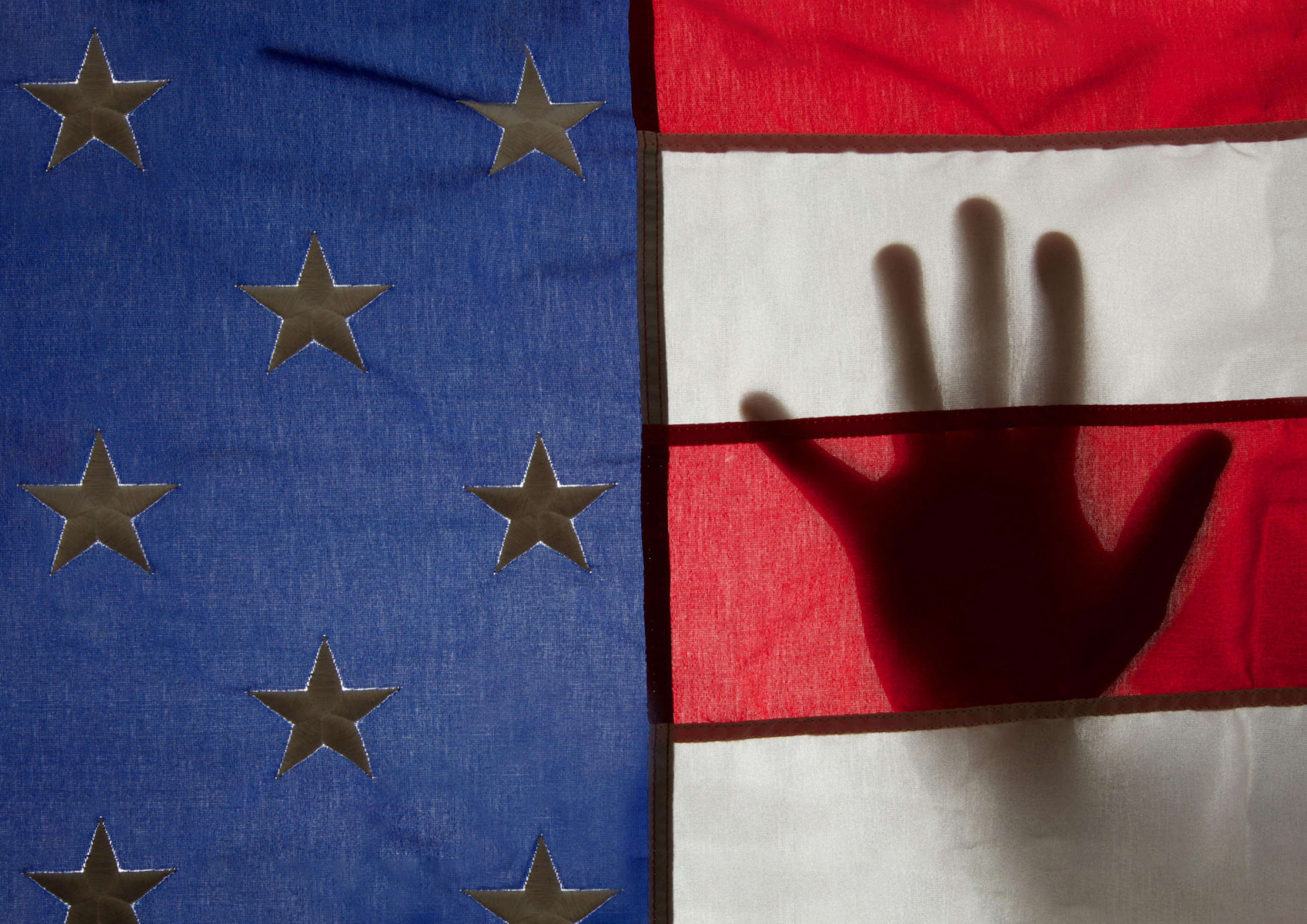
Perspective 3: Ali vs. Parkinson
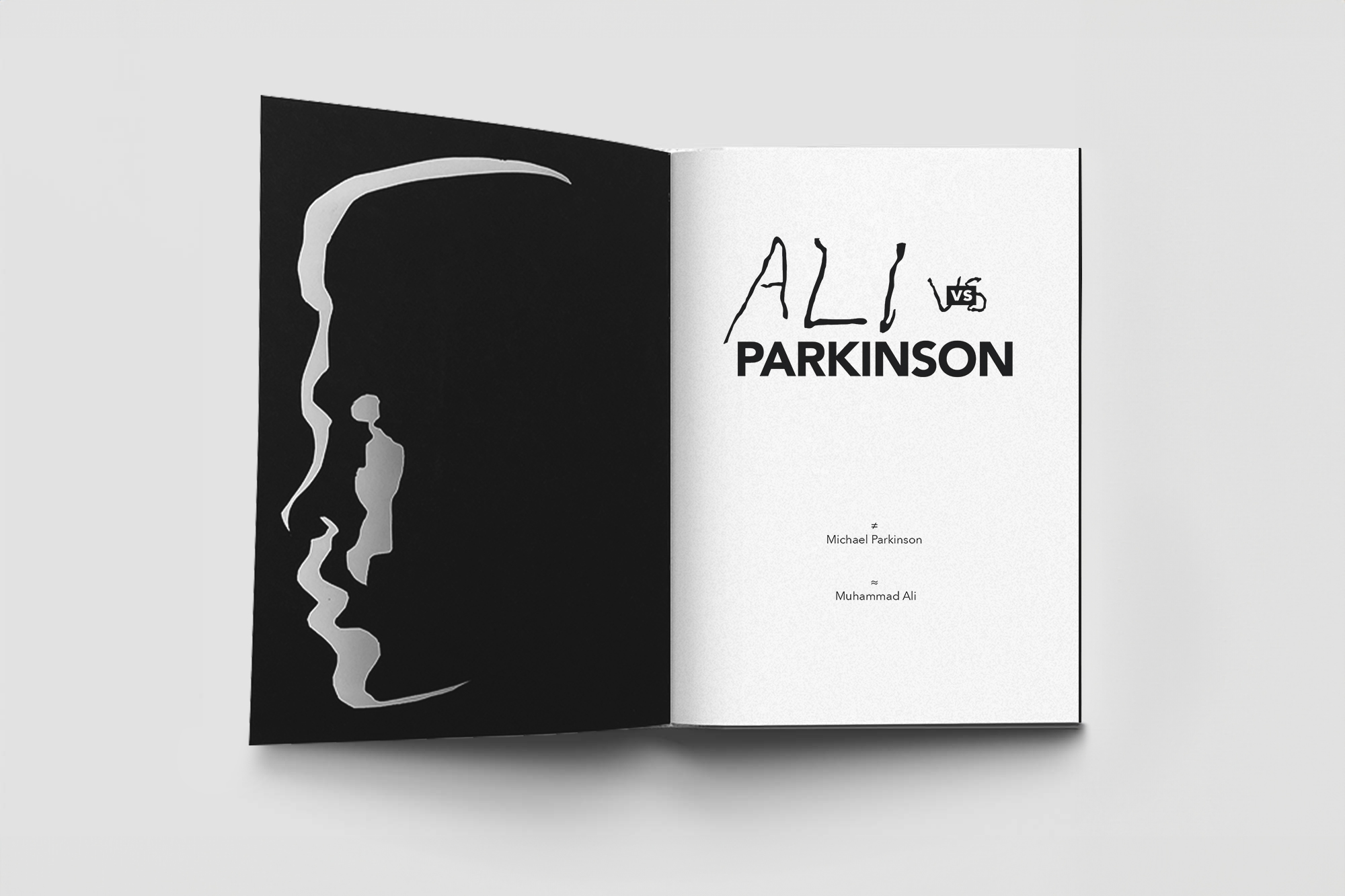
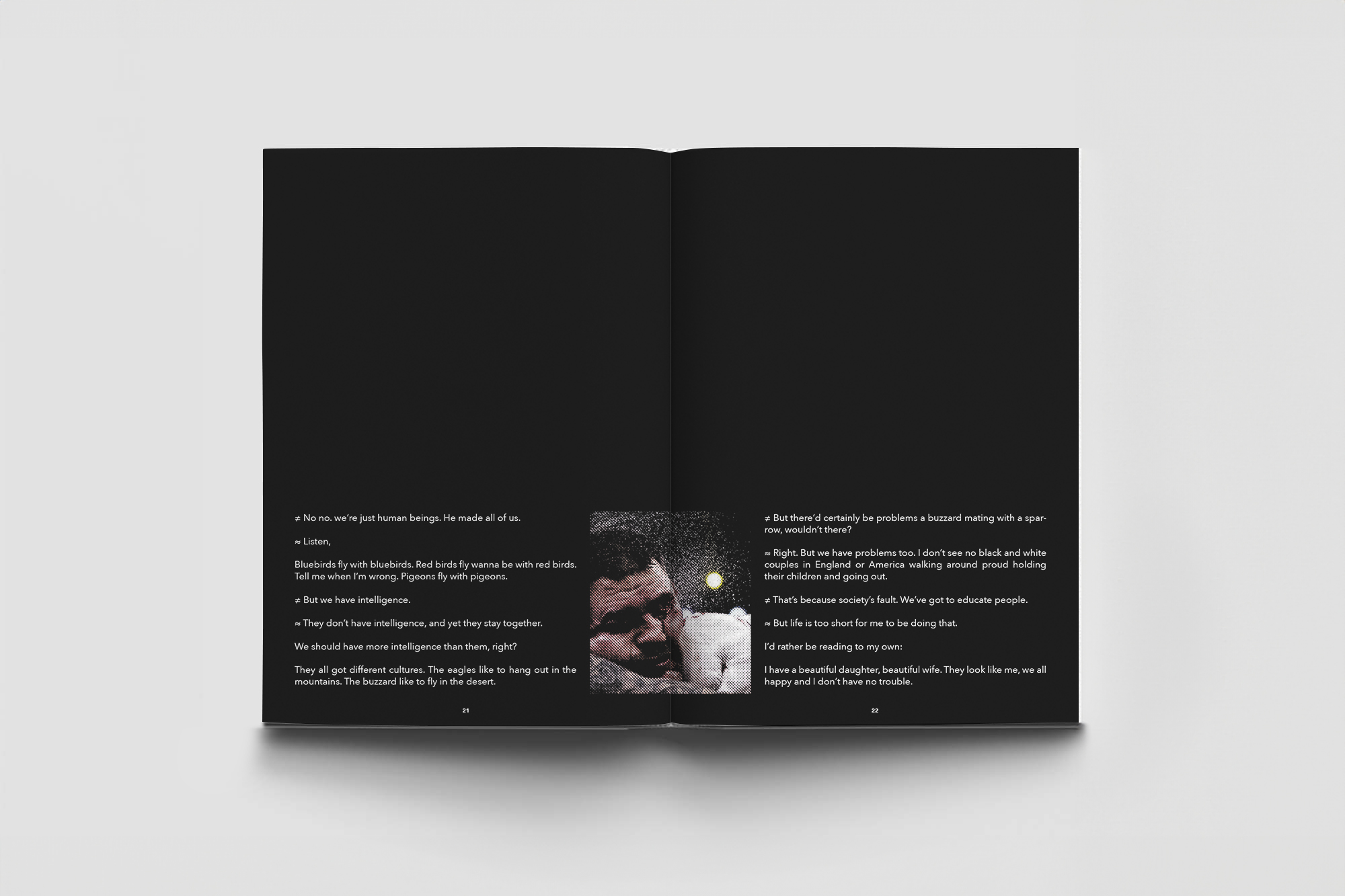
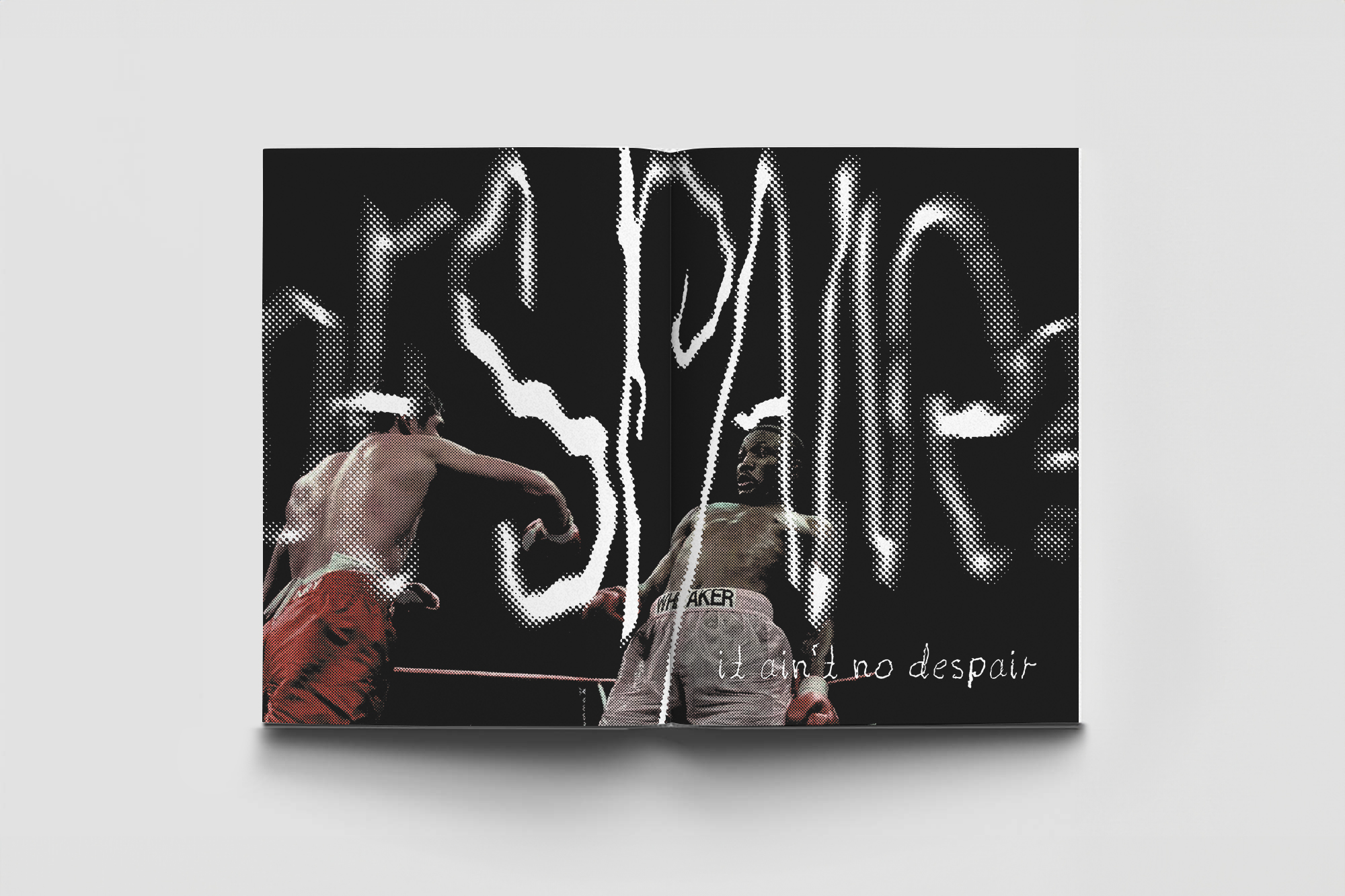
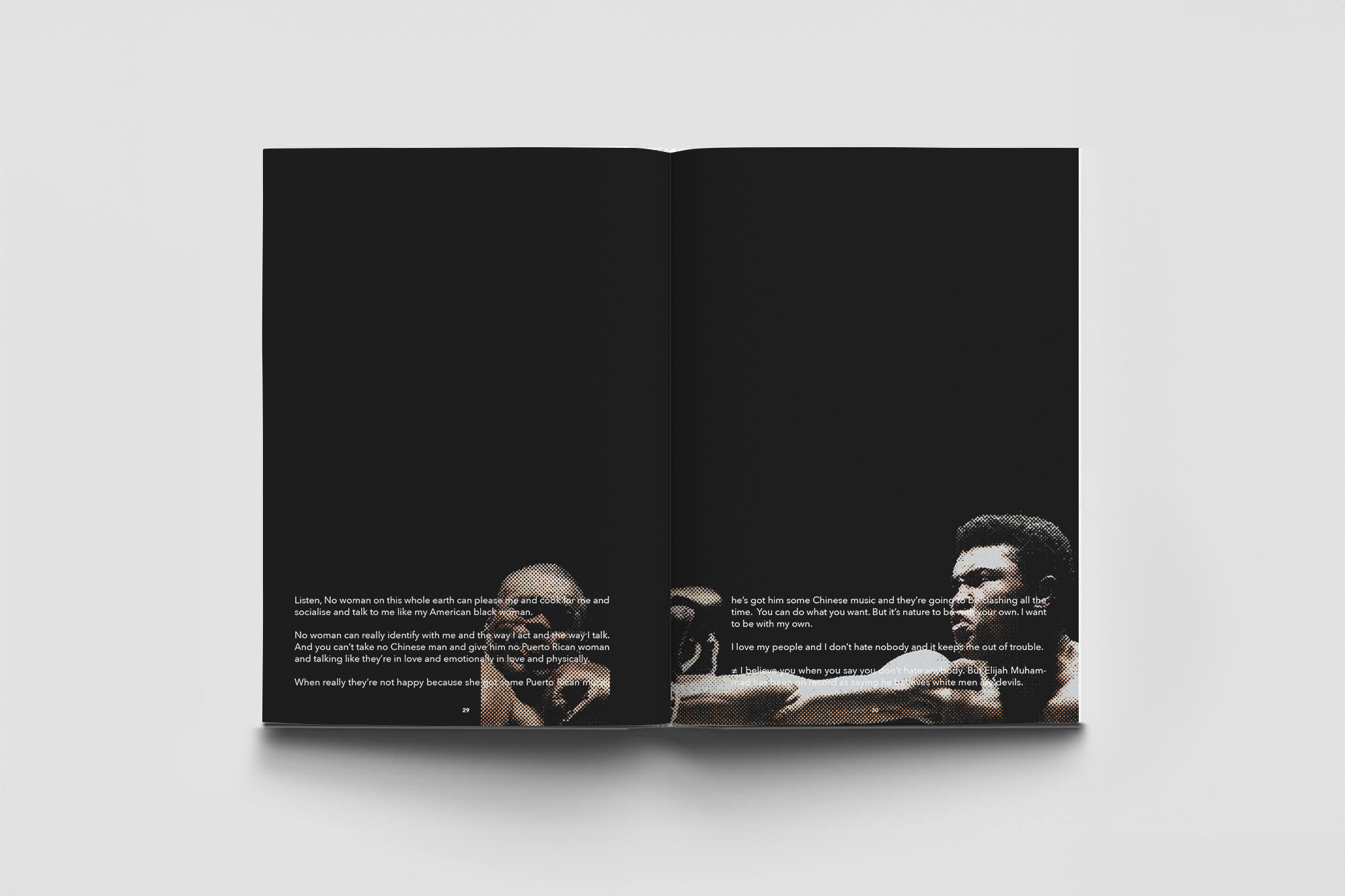
This book captures Muhammad Ali’s struggle with Parkinson’s disease through innovative design and powerful imagery. The title, “Ali vs Parkinson,” cleverly plays on the interviewer’s surname, framing Ali’s battle with the disease as a boxing match.
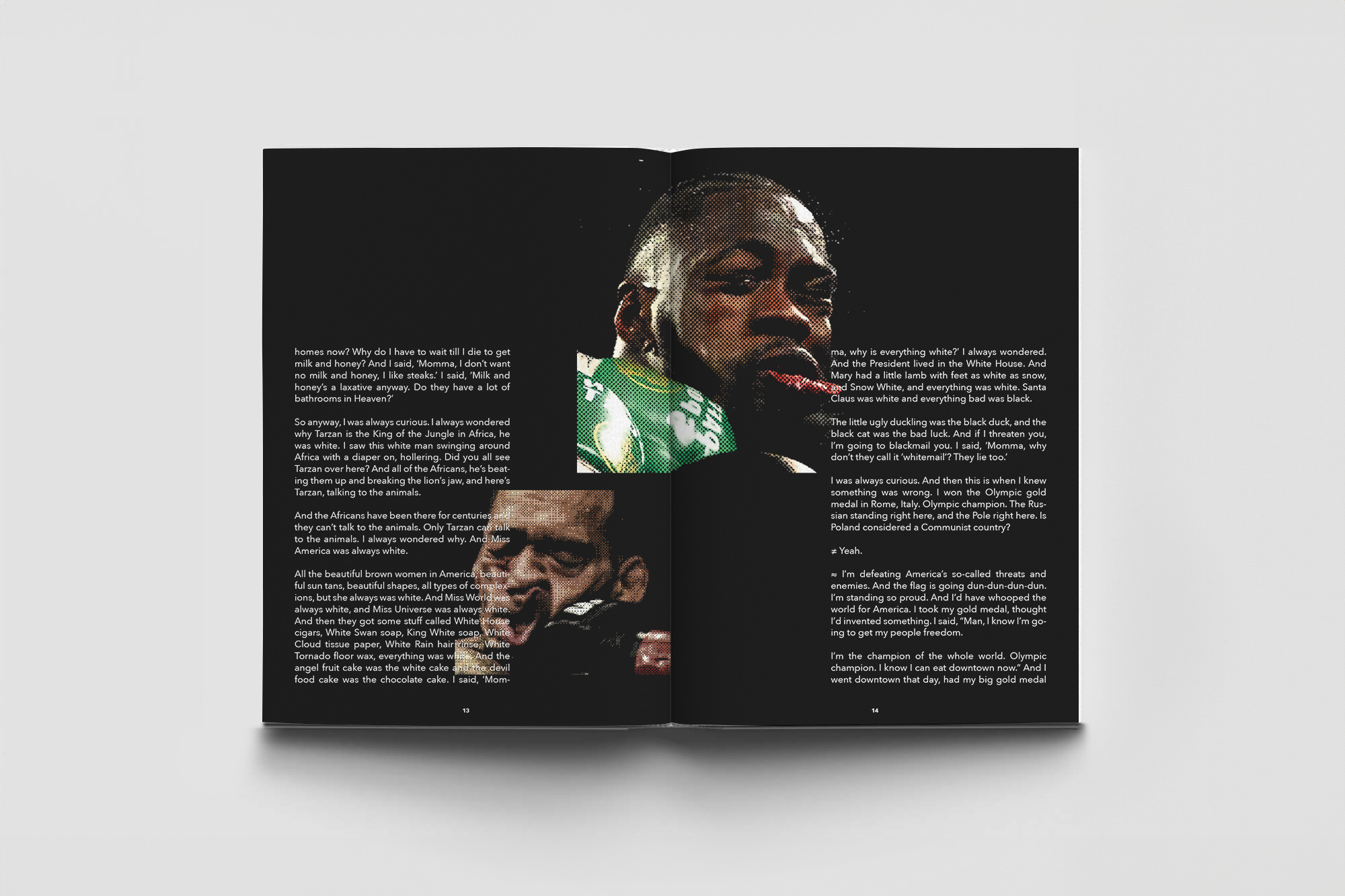
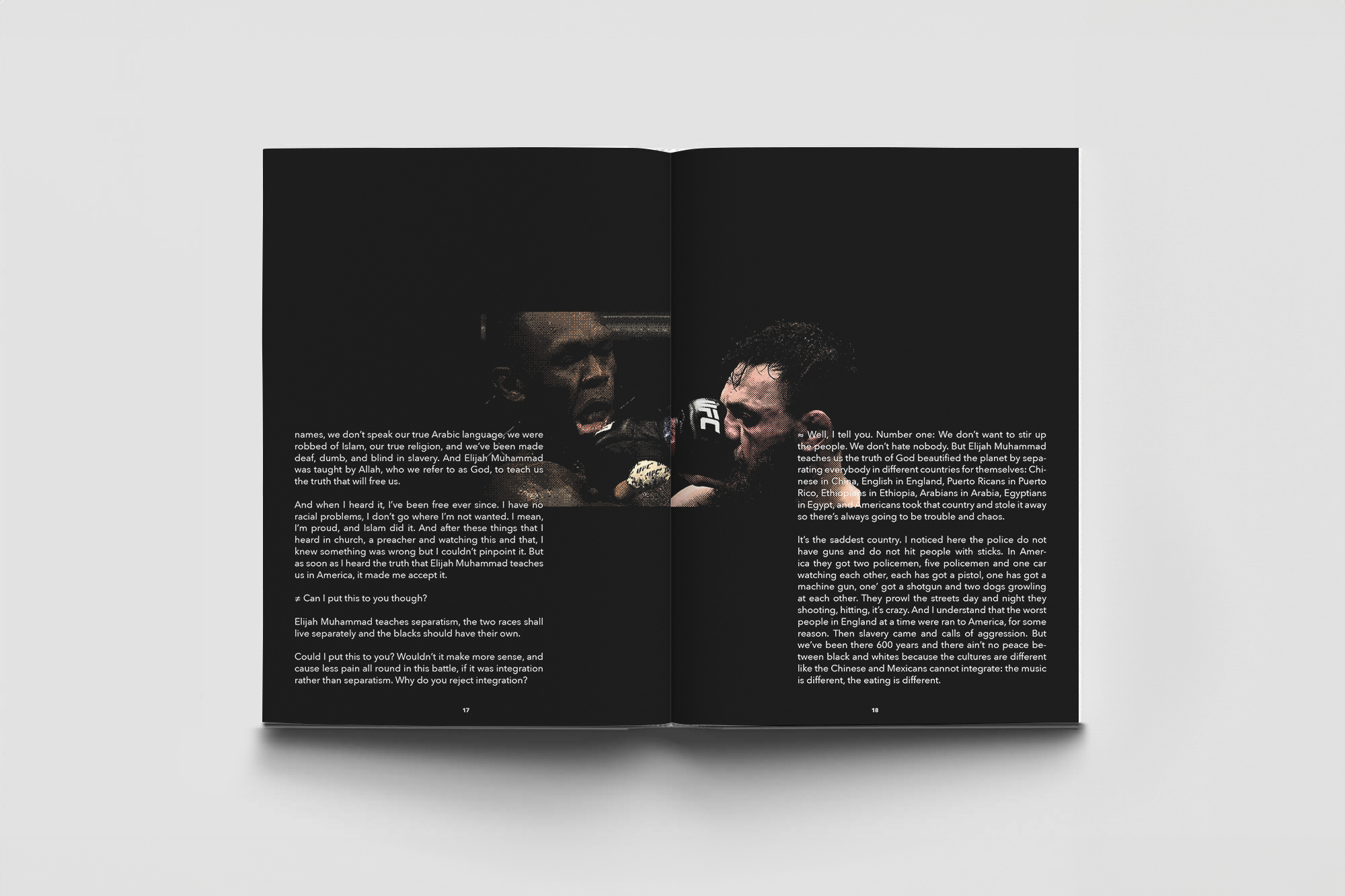
The book begins with tall, narrow margins for the body text, encouraging fast reading. As the book progresses, the margins become shorter and wider, slowing the reader down to reflect Ali’s gradual deterioration due to Parkinson’s. Featuring close-up shots of punch impacts in fighting sports, the imagery symbolises the devastating effects of the disease. Though it’s not proven that the blows Ali took caused his Parkinson’s, many believe they contributed to his decline.
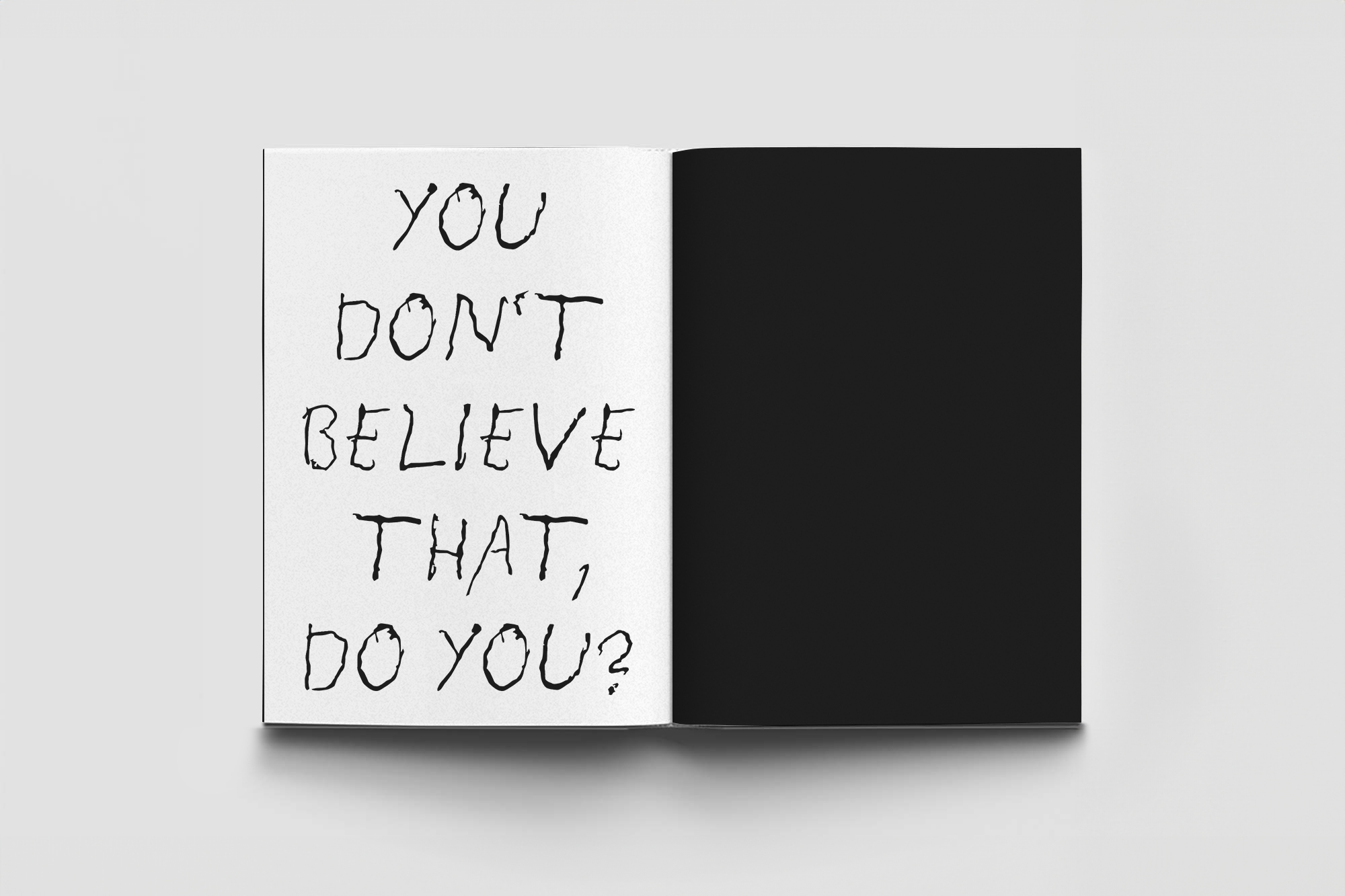
The book includes statement pages with quotes from the interview, using a typeface created from a Parkinson’s patient’s handwriting, enhancing the emotional impact. This perspective offers a compelling and moving reflection of Ali’s journey with Parkinson’s.







 NEL DESIGNS